How Siding Color Affects Your Home Value and Energy Efficiency
Stay informed with expert tips, helpful advice, and the latest trends in the roofing industry from the Gibbs Team
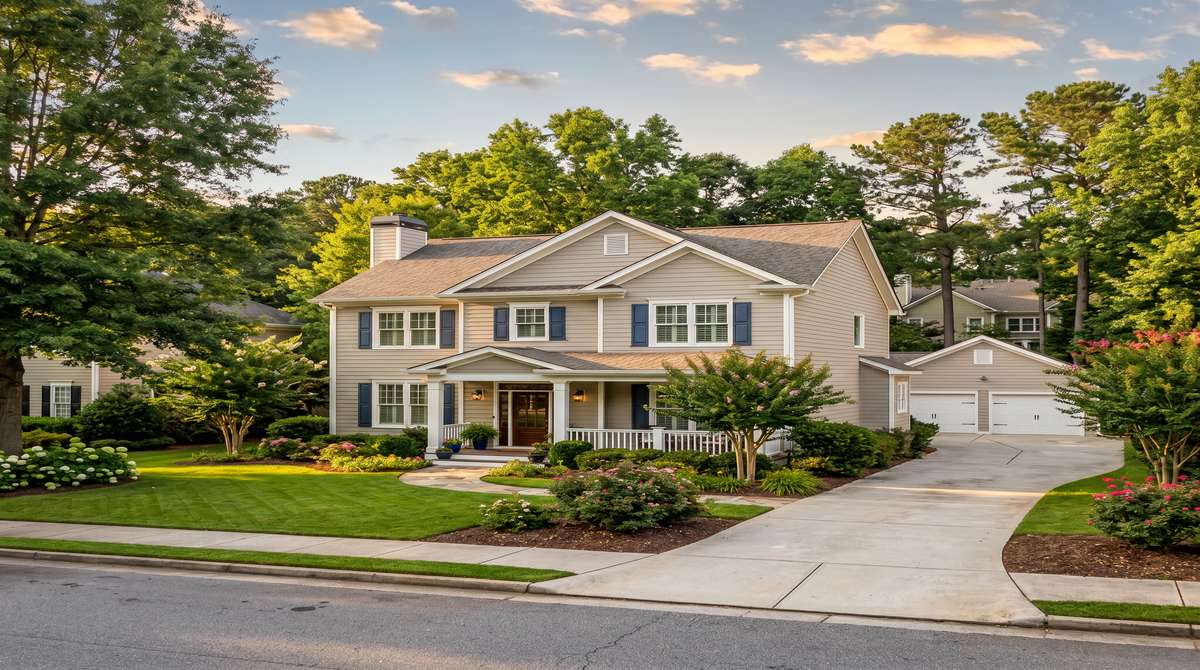
How Siding Color Affects Your Home Value and Energy Efficiency
Choosing siding color feels like a style decision, but in Roswell and across North Metro Atlanta it can also influence comfort, maintenance, and even perceived resale value. The right shade can help your home look newer for longer, reduce visible wear, and support better temperature control when paired with the right materials and installation.
Below is a practical guide to how siding color affects home value and energy efficiency, plus how to choose a color that performs well in our Georgia sun and humidity. If you want hands-on help, Gibbs Roofing & Siding can walk you through material and color options and handle everything from new siding installation to professional siding repair.
Why siding color matters more than most homeowners think
Siding is one of the largest visible surfaces on your home, so the color has an outsized impact on curb appeal. But color also changes how much solar heat the exterior absorbs, how quickly fading shows up, and how well dirt and mildew blend (or don’t).
Color is part of “first impression” ROI
When buyers pull up, they evaluate the exterior in seconds. A cohesive, modern color palette can make the whole property feel better maintained, even before they step inside. In competitive markets like Alpharetta, Milton, and Sandy Springs, that first impression can meaningfully influence perceived value.
Color influences perceived maintenance and age
Very dark colors can look sharp, but they may highlight chalking, pollen, and dust faster. Very light colors can hide fading, but sometimes show algae streaks if the home is shaded. The goal is a color that still looks clean between washings and doesn’t scream “it’s time to replace this.”
How siding color affects energy efficiency in Georgia
In simple terms, darker colors absorb more solar radiation and lighter colors reflect more. That can change how warm the siding surface gets on a sunny day, which can influence wall temperature and, to a smaller degree, indoor comfort. The impact varies based on insulation, air sealing, shading, and the siding material itself.
Light vs. dark: what changes in real life?
- Lighter colors generally stay cooler in direct sun and can reduce heat buildup at the exterior surface.
- Darker colors can increase surface temperatures, which may add strain to cooling systems if the wall assembly is under-insulated or leaky.
If you’re planning an exterior upgrade, pairing a smart color with true performance improvements—like better housewrap, flashing details, and insulation—delivers the biggest payoff. If energy performance is a priority, ask about energy-efficient siding options that are built for efficiency from the start.
Material matters as much as color
Color is only one variable. Vinyl, fiber cement, engineered wood, and insulated siding each respond differently to heat, moisture, and UV exposure. Many manufacturers also limit which dark colors are appropriate for certain materials to avoid warping or accelerated wear.
For example, fiber cement is known for durability and can handle a wider range of colors when finished correctly. To see how a leading manufacturer positions its products, you can review Vinyl Siding Institute resources.
Don’t forget ventilation and moisture management
In Marietta, Woodstock, Canton, and Kennesaw, we see plenty of homes where heat and humidity combine with small exterior gaps to create moisture problems behind the siding. Proper installation details—starter strips, flashing, kickout flashing at roof-to-wall areas, and sealed penetrations—often matter more than any color choice.
How siding color can influence home value
There isn’t one magic color that always raises value, but there are patterns that help you avoid “value killers.”
Neutral, region-appropriate colors are easier to sell
Soft grays, warm whites, light tans, and muted blues/greens tend to appeal to a wide range of buyers. They also work with common North Georgia roof colors and masonry accents. If you plan to sell in the next 3–7 years, lean toward broadly appealing tones and use bold colors in trim, shutters, or the front door.
Consistency with the neighborhood can protect value
In many HOAs, exterior color choices are regulated. Even outside an HOA, a home that feels out of place can reduce buyer interest. Before committing, check community guidelines and local requirements; Georgia’s statewide adoption of building standards can also inform best practices—see the Georgia building codes overview for context.
Color can highlight architectural strengths
Some homes look best when the body color recedes and trim details stand out. Others look more upscale when the body color is slightly deeper and the trim is crisp. We recommend viewing large samples at different times of day (morning shade vs. afternoon sun) before you decide.
Practical color-selection tips for Roswell-area homes
1) Test in the actual lighting on your house
Georgia sun is bright, and colors can look lighter outdoors than on a screen. Put sample boards on multiple sides of the house and check them in sun and shade.
2) Consider fading and UV exposure
South- and west-facing walls fade faster. If you love a darker color, choose a high-quality finish and ask about warranties and maintenance expectations.
3) Plan for the roof, stone, and brick
Siding color should coordinate with fixed features you won’t change soon. If you’re also evaluating roof work, it can help to review your overall exterior plan with a contractor who handles both. Our home roofing services team can help you coordinate color and material decisions so the whole exterior feels intentional.
4) Think about maintenance in pollen season
North Metro Atlanta pollen is real. Mid-tone colors often hide pollen and dust better than very dark or very bright tones. If your property is shaded and prone to algae, consider colors and materials that resist staining and schedule occasional cleaning.
When to repaint vs. when to replace
If your siding is structurally sound but looks dated, repainting (for paintable materials like fiber cement or wood) can be a cost-effective refresh. But if you’re seeing warping, cracks, repeated moisture issues, or widespread damage, replacement may be a better long-term investment.
If you’re unsure, start with an inspection. We can tell you whether a targeted professional siding repair is enough or if a full upgrade makes more sense.
Ready to choose a siding color that looks great and performs well?
Gibbs Roofing & Siding helps homeowners in Roswell, Alpharetta, Marietta, Woodstock, Canton, Sandy Springs, Milton, and Kennesaw choose materials and colors that fit their home and budget. Call (404) 545-6900 or reach out through our contact page to schedule a consultation.
FAQ: Siding color, home value, and energy efficiency
Do darker siding colors always make a house hotter inside?
Not always. Darker colors can raise exterior surface temperature, but insulation quality, air sealing, ventilation, and shading often play a bigger role in indoor comfort and HVAC load.
What siding colors are best for resale in Roswell, GA?
Most buyers prefer timeless, neutral colors that complement the roof and trim. If you want personality, use accent colors that are easy for a future buyer to change.
Will HOA rules limit my siding color choices?
Many neighborhoods have approved palettes or require review. It’s best to confirm your HOA guidelines before ordering materials or scheduling installation.
How do I know if I should repaint or replace my siding?
If the siding is sound and paintable, repainting can refresh curb appeal. If you have warping, rot, repeated leaks, or frequent repairs, replacement is often the smarter long-term option.
Can I improve energy efficiency without changing siding color?
Yes. Upgrading insulation, sealing air leaks, improving flashing, and choosing insulated or higher-performance siding can help even if you keep a similar color.