When Should You Replace Your Home’s Siding? A Complete Homeowner’s Guide
Stay informed with expert tips, helpful advice, and the latest trends in the roofing industry from the Gibbs Team
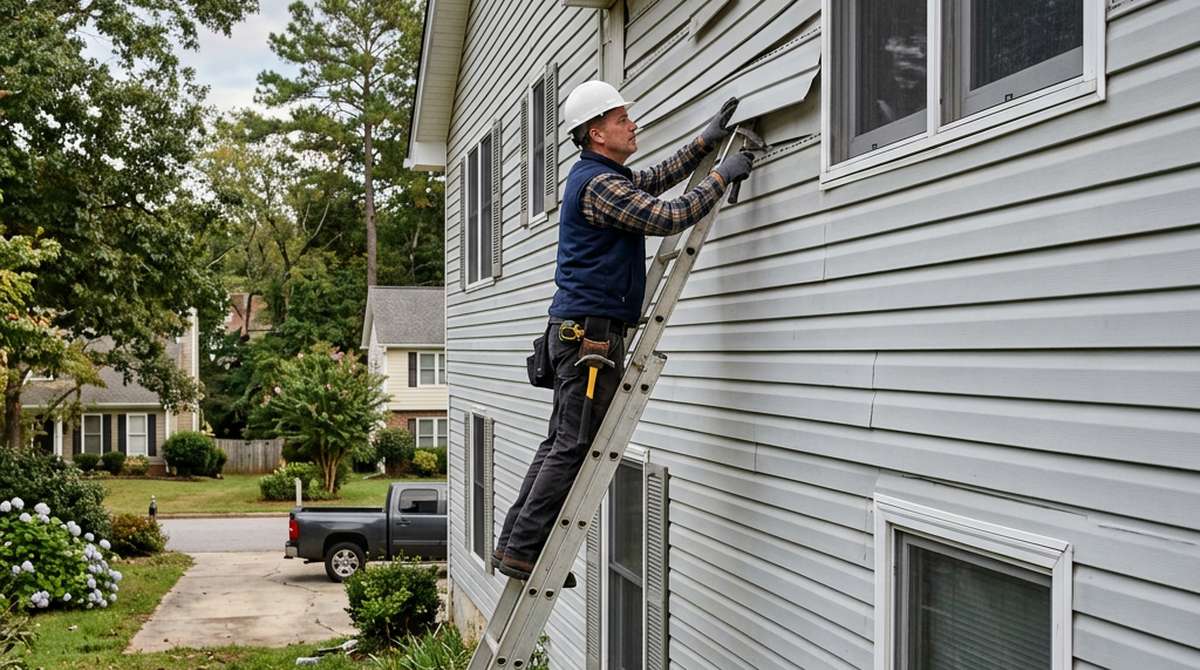
When Should You Replace Your Home’s Siding? A Complete Homeowner’s Guide
Your home’s siding is much more than an attractive exterior finish. It serves as the first line of defense against rain, wind, heat, moisture, and pests while improving energy efficiency and enhancing curb appeal. Over time, exposure to harsh weather and aging materials can reduce its ability to protect your home effectively.
Many homeowners delay replacing damaged siding because the problems often develop gradually. Unfortunately, waiting too long can lead to moisture intrusion, structural damage, mold growth, and expensive repairs that could have been avoided with timely action.
If you’re wondering whether it’s time for a siding replacement, this guide explains the warning signs, benefits, available materials, and what to expect during the replacement process.
Why Your Home’s Siding Matters
Quality siding protects your property from environmental damage while adding beauty and value.
Its primary functions include:
- Protecting exterior walls
- Preventing moisture infiltration
- Improving insulation
- Enhancing curb appeal
- Reducing maintenance requirements
- Increasing property value
- Supporting energy efficiency
A properly maintained exterior also helps preserve the structural integrity of your home.
Common Signs You Need Siding Replacement
Not every issue requires complete replacement, but several warning signs indicate your siding may have reached the end of its lifespan.
1. Cracks, Warping, or Loose Panels
Visible damage allows moisture to penetrate behind the exterior covering.
Watch for:
- Cracks
- Gaps
- Warped boards
- Loose sections
- Missing panels
Even small openings can eventually lead to water damage inside your walls.
2. Fading or Peeling Paint
Severely faded siding often indicates years of UV exposure and weather deterioration.
If repainting becomes necessary every few years, replacing the exterior may be a more cost-effective long-term solution.
3. Higher Energy Bills
Damaged exterior materials reduce insulation performance.
Poor insulation forces heating and cooling systems to work harder, increasing monthly utility costs.
If your energy bills continue rising without explanation, deteriorating siding could be contributing to the problem.
4. Mold, Mildew, or Rot
Moisture trapped behind damaged panels creates ideal conditions for:
- Mold
- Mildew
- Wood rot
- Structural deterioration
Visible discoloration or soft spots should never be ignored.
5. Frequent Maintenance
Older siding often requires repeated repairs, repainting, caulking, and patching.
When maintenance costs continue increasing, replacement often becomes the smarter investment.
Benefits of Replacing Your Siding
Installing new siding provides both immediate and long-term advantages.
Improved Curb Appeal
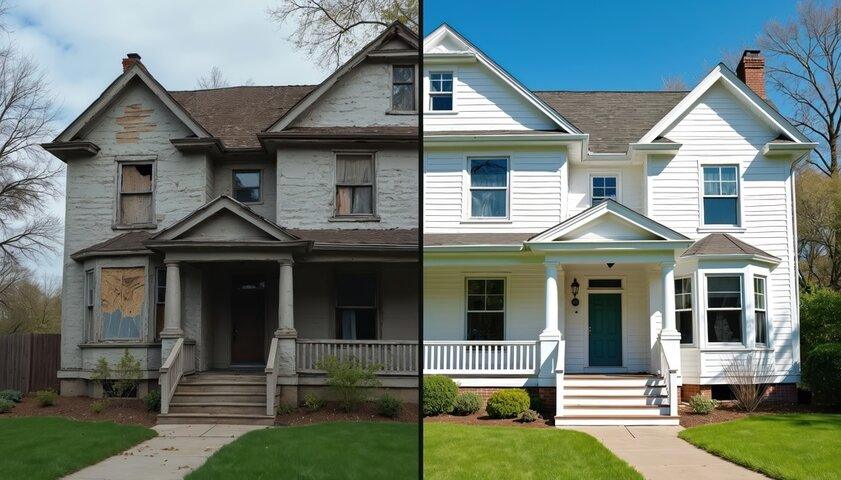
Fresh exterior materials dramatically transform your home’s appearance.
Modern colors and textures enhance architectural style while creating a welcoming first impression.
Better Energy Efficiency
Today’s insulated siding systems help reduce heat transfer.
Benefits include:
- Lower utility bills
- Improved indoor comfort
- Reduced HVAC workload
- Better temperature consistency
Increased Property Value
Exterior improvements remain one of the highest-return home investments.
Potential buyers often view updated siding as evidence of proper home maintenance.
Enhanced Weather Protection
New materials create a stronger barrier against:
- Heavy rain
- Wind
- Moisture
- UV exposure
- Temperature fluctuations
This protection reduces the likelihood of hidden structural damage.
Lower Maintenance Requirements
Modern products require significantly less upkeep than older materials.
Many options resist:
- Fading
- Cracking
- Rot
- Insect damage
- Moisture absorption
Popular Siding Materials
Choosing the right material depends on your budget, maintenance preferences, and desired appearance.
Vinyl Siding
Vinyl remains one of the most popular choices because it offers:
- Affordable pricing
- Low maintenance
- Numerous color options
- Moisture resistance
- Long lifespan
Fiber Cement
Fiber cement delivers exceptional durability while mimicking the appearance of natural wood.
Advantages include:
- Fire resistance
- Pest resistance
- Weather durability
- Minimal maintenance
Engineered Wood
Engineered wood combines the beauty of traditional wood with improved resistance to moisture and insects.
It offers an attractive appearance without extensive maintenance requirements.
Metal Siding
Metal siding provides excellent durability for residential and commercial applications.
Benefits include:
- Long lifespan
- Fire resistance
- Minimal maintenance
- Modern appearance
What Happens During a Siding Replacement Project?
Understanding the installation process helps homeowners prepare for the project.
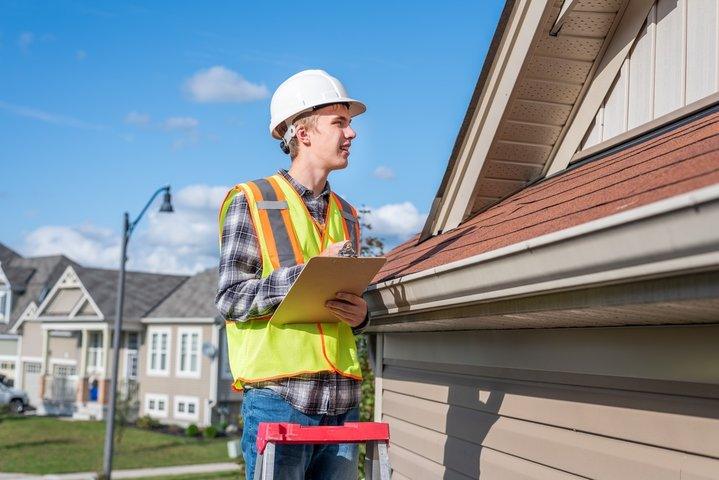
Step 1: Inspection
Professionals evaluate:
- Existing exterior condition
- Moisture damage
- Structural integrity
- Insulation
- Ventilation
This inspection determines whether additional repairs are necessary before installation.
Step 2: Removal
Old siding is carefully removed to expose the home’s exterior walls.
Any damaged sheathing or framing is repaired before new materials are installed.
Step 3: Moisture Barrier Installation
A weather-resistant barrier is installed to improve moisture protection and energy performance.
This extra layer helps prevent water intrusion behind the siding.
Step 4: Installation
New siding panels are professionally installed according to manufacturer specifications.
Proper installation ensures long-lasting performance and warranty protection.
Step 5: Final Inspection
After installation, contractors inspect the completed project for quality, alignment, and proper sealing.
Homeowners also receive maintenance recommendations to maximize lifespan.
How to Maintain Your New Siding
Proper maintenance extends the life of your investment.
Simple maintenance includes:
- Wash exterior surfaces annually
- Remove dirt and debris
- Inspect after storms
- Keep gutters clean
- Trim nearby vegetation
- Check caulking around windows and doors
Routine inspections help identify small issues before they become major repairs.
Choosing the Right Siding Contractor
Selecting an experienced contractor is just as important as choosing quality materials.
Before hiring, consider:
- Proper licensing
- Insurance coverage
- Local experience
- Customer reviews
- Product warranties
- Installation expertise
- Transparent pricing
A reputable contractor will explain every step of the project and answer your questions clearly.
Why Timely Replacement Saves Money
Many homeowners postpone replacing aging siding to avoid upfront costs.
However, delaying replacement often leads to:
- Water damage
- Mold remediation
- Structural repairs
- Higher energy bills
- Interior wall damage
- Pest infestations
Addressing exterior problems early usually reduces overall repair expenses.
Is It Better to Repair or Replace Siding?
The answer depends on the extent of the damage.
Minor isolated damage may only require repairs.
Replacement becomes the better option when:
- Damage affects multiple areas
- Materials have reached the end of their lifespan
- Moisture infiltration is widespread
- Energy efficiency has declined
- Maintenance costs continue increasing
A professional inspection provides the most accurate recommendation.
Conclusion
Replacing aging siding is one of the most effective ways to protect your home, improve energy efficiency, and increase curb appeal. Modern materials provide long-lasting durability while reducing maintenance and helping prevent costly structural damage. Whether you’re upgrading for appearance, performance, or weather protection, investing in quality installation ensures years of reliable service and added property value. For dependable exterior improvement solutions, homeowners can trust Gibbs Roofing in GA.
Frequently Asked Questions
How long does residential siding typically last?
The lifespan depends on the material. Vinyl siding often lasts 20–40 years, while fiber cement and metal siding can last 40–50 years or more with proper maintenance.
What are the signs that siding needs replacement?
Common indicators include cracks, warping, fading, loose panels, mold growth, rising energy bills, water damage, and frequent repair needs.
Does new siding increase home value?
Yes. Replacing outdated siding enhances curb appeal, improves energy efficiency, and can increase resale value by making the property more attractive to buyers.
Can siding help reduce energy costs?
Modern insulated siding improves thermal performance by reducing heat transfer, helping lower heating and cooling expenses throughout the year.
How often should siding be inspected?
A professional inspection every one to two years, along with checks after severe storms, helps identify damage early and extends the life of your home’s exterior.