What Is Gutter Repair and When Should You Schedule It
Stay informed with expert tips, helpful advice, and the latest trends in the roofing industry from the Gibbs Team
What Is Gutter Repair and When Should You Schedule It
Your home’s gutter system is one of the most important defenses against water damage. While many homeowners focus on roofing materials, siding, and landscaping, gutters quietly perform the essential task of directing rainwater away from the property. When gutters become clogged, cracked, loose, or damaged, water no longer flows properly. Instead, it can overflow onto the roof, seep into walls, pool around the foundation, and damage landscaping.
Georgia’s climate brings frequent rainstorms, high humidity, and seasonal debris from surrounding trees. These conditions make regular gutter maintenance and timely repairs especially important for protecting residential properties.
Ignoring small gutter problems often leads to much larger structural issues. Understanding the causes, warning signs, and repair options helps homeowners avoid expensive repairs while extending the life of their roofing system.
What Is Gutter Repair?
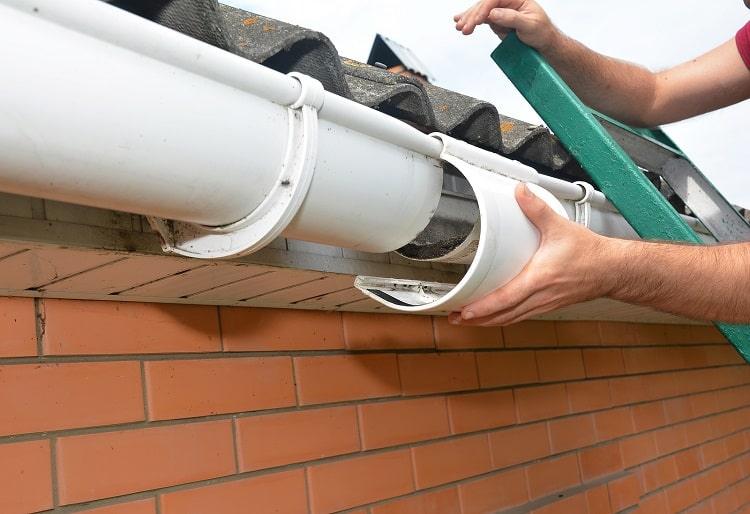
Gutter repair involves restoring damaged sections of a rainwater drainage system so it performs efficiently. Repairs may include sealing leaks, replacing damaged sections, tightening loose brackets, reconnecting downspouts, correcting the gutter slope, or repairing joints where water escapes.
Professional repairs restore proper drainage and help prevent water from damaging the home’s exterior and foundation.
Why Gutters Are Essential
A properly functioning gutter system protects several parts of your property simultaneously.
These include:
- Roof shingles
- Fascia boards
- Soffits
- Exterior siding
- Windows
- Doors
- Foundation
- Basement
- Landscaping
- Walkways
Without effective drainage, rainwater can gradually weaken structural components and reduce the overall lifespan of your home.
Common Causes of Gutter Damage
Several factors contribute to gutter deterioration over time.
Storm Damage
Heavy rainfall, hail, high winds, and falling tree branches frequently damage gutters.
Storms may cause:
- Bent sections
- Loose fasteners
- Detached downspouts
- Cracks
- Dents
Prompt inspections after severe weather help identify problems before they worsen.
Debris Buildup
Leaves, pine needles, twigs, dirt, and roofing granules collect inside gutters throughout the year.
When debris blocks water flow, gutters overflow and place extra weight on mounting brackets, increasing the risk of sagging.
Aging Materials
Even durable aluminum and steel gutters naturally wear down after years of exposure to sunlight, moisture, and changing temperatures.
Older systems may develop:
- Rust
- Corrosion
- Loose seams
- Small holes
- Weak fasteners
Routine maintenance extends their service life.
Improper Installation
Poor installation often causes long-term drainage issues.
Common problems include:
- Incorrect slope
- Insufficient hangers
- Loose fasteners
- Misaligned downspouts
Proper installation ensures rainwater flows efficiently toward drainage points.
Signs Your Gutters Need Attention
Many gutter problems become visible before major damage occurs.
Watch for these warning signs:
- Water overflowing during rain
- Sagging gutter sections
- Visible cracks or holes
- Rust spots
- Peeling exterior paint
- Water stains beneath gutters
- Standing water near the foundation
- Soil erosion around the home
- Mold or mildew on siding
- Detached downspouts
Addressing these issues early helps prevent larger repair costs.
How Damaged Gutters Affect Your Home
Roof Damage
When gutters overflow, water may back up beneath roofing materials.
This can result in:
- Roof leaks
- Damaged decking
- Rotting wood
- Mold growth
- Ceiling stains
Keeping gutters clear helps preserve the integrity of your roof.
Foundation Damage
Poor drainage allows water to collect around the home’s foundation.
Over time, this may lead to:
- Foundation settlement
- Cracked concrete
- Basement leaks
- Crawl space moisture
- Structural movement
Directing rainwater away from the home significantly reduces these risks.
Siding Deterioration
Overflowing water repeatedly soaks exterior walls.
Possible consequences include:
- Peeling paint
- Wood rot
- Mold growth
- Water stains
- Warped siding
Maintaining the gutter system protects your home’s exterior appearance and structural integrity.
Landscape Erosion
Uncontrolled runoff washes away:
- Topsoil
- Mulch
- Plants
- Decorative stone
- Grass
Healthy gutters help preserve landscaping investments.
Types of Gutter Repairs
Professional contractors provide several repair solutions depending on the condition of the system.
Leak Repair
Small holes and separated seams are sealed using durable waterproof materials designed to withstand changing weather conditions.
Bracket Replacement
Loose or damaged hangers are replaced to securely fasten the gutters to the fascia.
Downspout Repair
Damaged or disconnected downspouts are repaired or replaced to restore proper drainage.
Gutter Realignment
Improperly sloped sections are adjusted to improve water flow and eliminate standing water.
Section Replacement
If only one portion of the system is damaged, replacing individual sections may be more economical than installing an entirely new system.
Benefits of Professional Gutter Repair
Hiring experienced professionals provides long-term value beyond fixing visible damage.
Professional repair services help:
- Improve water drainage
- Protect roofing materials
- Prevent foundation issues
- Reduce maintenance costs
- Extend system lifespan
- Preserve landscaping
- Improve curb appeal
- Prevent moisture damage
- Increase property value
Quality workmanship also reduces the likelihood of recurring problems.
Repair or Replacement: Which Is Better?
Not every damaged gutter system requires replacement.
Repair is often recommended when:
- Damage is localized
- Small leaks are present
- Individual brackets have failed
- One section has been damaged
Replacement may be the better investment when:
- Rust affects large portions of the system
- Multiple leaks develop
- Gutters repeatedly separate
- Extensive storm damage exists
- The system has reached the end of its expected lifespan
A professional inspection can determine the most cost-effective option.
Preventive Maintenance Tips
Routine maintenance helps maximize the lifespan of your gutter system.
Clean Gutters Regularly
Remove:
- Leaves
- Dirt
- Pine needles
- Twigs
- Roof granules
Cleaning at least twice a year helps prevent clogs.
Inspect After Heavy Storms
Following severe weather, check for:
- Loose brackets
- Bent sections
- Detached downspouts
- Standing water
Early repairs prevent additional damage.
Install Gutter Guards
Gutter protection systems reduce debris accumulation while improving water flow.
Although periodic maintenance remains necessary, cleaning becomes much easier.
Trim Overhanging Trees
Keeping nearby branches trimmed reduces:
- Falling leaves
- Branch damage
- Animal nesting
- Debris accumulation
This simple step minimizes future maintenance requirements.
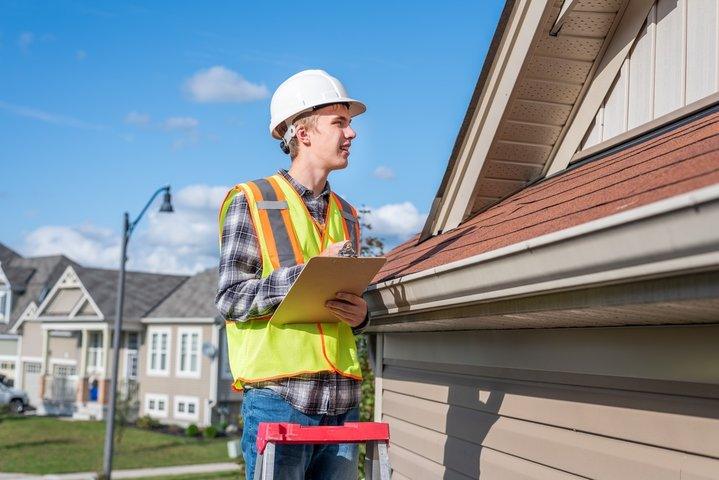
Schedule Annual Inspections
Professional inspections identify developing issues before they become expensive repairs.
Preventive maintenance helps homeowners avoid emergency situations.
Choosing the Right Gutter Repair Contractor
Selecting a qualified contractor ensures quality workmanship and lasting results.
Look for companies that offer:
- Licensed professionals
- Insurance coverage
- Local experience
- Positive customer reviews
- Transparent pricing
- High-quality materials
- Workmanship warranties
Choosing experienced professionals helps ensure repairs meet industry standards while protecting your investment.
Why Timely Repairs Save Money
Many homeowners postpone repairs because the damage appears minor.
However, delaying service often leads to:
- Roof repairs
- Foundation repairs
- Interior water damage
- Mold remediation
- Wood replacement
- Landscape restoration
Investing in prompt repairs today can eliminate much larger expenses in the future.
Conclusion
A well-maintained gutter system is essential for protecting your home from water damage throughout the year. Regular inspections, preventive maintenance, and timely repairs help preserve your roof, siding, foundation, and landscaping while extending the life of your drainage system. Addressing small issues before they become major problems saves money and improves the long-term value of your property. For reliable workmanship and professional gutter solutions, homeowners can trust Gibbs Roofing in GA.
Frequently Asked Questions
How often should gutters be cleaned?
Most homes should have gutters cleaned at least twice a year, typically during spring and fall. Properties with many trees may require more frequent cleaning.
What are the signs that gutters need repair?
Common signs include leaks, sagging sections, overflowing water, rust, peeling paint, detached downspouts, and water pooling around the home’s foundation.
Can damaged gutters cause roof leaks?
Yes. Overflowing water can back up beneath shingles and roofing materials, causing leaks, wood rot, mold growth, and interior ceiling damage.
Are gutter guards worth installing?
Yes. Gutter guards help reduce debris buildup, improve drainage, minimize maintenance, and extend the lifespan of your gutter system.
Should I repair or replace my gutters?
Minor damage such as small leaks or loose brackets can usually be repaired. Extensive rust, repeated leaks, severe storm damage, or aging systems often make replacement the better long-term investment.