Upgrade Your Home With Manufacturer-Certified Roofing
Stay informed with expert tips, helpful advice, and the latest trends in the roofing industry from the Gibbs Team
Upgrade Your Home With Manufacturer-Certified Roofing
Your roof is more than a layer of shingles protecting your home from rain and sunlight. It is a complete system made up of shingles, underlayment, flashing, ventilation, fasteners, starter strips, ridge caps, and other components. Each part must work together correctly to provide reliable protection.
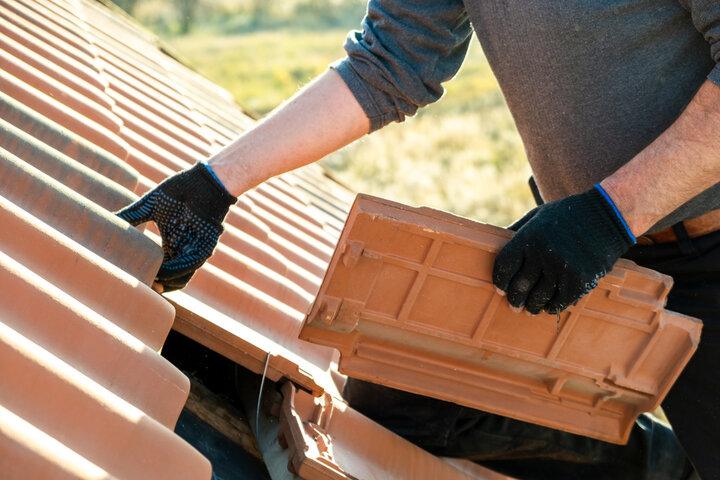
That is why choosing a manufacturer-certified roofing contractor can make a meaningful difference when installing or replacing a roof. Certified installation means the roofing system is installed according to the specific requirements established by the manufacturer, helping homeowners protect their investment and maintain applicable warranty coverage.
For homeowners in Georgia, where roofs face intense heat, humidity, heavy rain, strong winds, and occasional severe storms, proper installation is especially important.
What Is Manufacturer-Certified Roofing?
Manufacturer-certified roofing refers to roofing installation performed by contractors who meet specific requirements established by a roofing manufacturer.
Unlike general roofing installation, certified work requires the contractor to follow brand-specific installation methods and product specifications.
Going With Gibbs works with major roofing manufacturers including GAF, CertainTeed, and TAMKO. Its service information explains that certified installation involves reviewing product documentation, confirming material compatibility, and evaluating ventilation and structural conditions before installation begins.
This attention to manufacturer requirements helps ensure that the roofing system is installed as intended.
Why Proper Roof Installation Matters
Even high-quality roofing materials can underperform when they are installed incorrectly.
A roof may experience premature problems when shingles are improperly fastened, flashing is installed incorrectly, underlayment is not properly layered, or attic ventilation is inadequate.
Common installation-related issues include:
- Improper nail placement
- Incorrect flashing
- Poorly installed underlayment
- Inadequate ventilation
- Improper shingle alignment
- Incorrect starter strip installation
- Poor sealing around roof penetrations
- Incompatible roofing components
A certified contractor understands the manufacturer’s requirements and follows established procedures throughout the installation.
Manufacturer Certification and Roof Warranties
One of the biggest reasons homeowners consider certified installation is warranty protection.
Many roofing manufacturers offer warranties covering their products under specific conditions. Installation requirements can be part of those conditions.
The contractor’s work must meet the manufacturer’s specifications for the applicable warranty to remain valid.
Going With Gibbs states that certified installations are designed to preserve warranty coverage for products from manufacturers such as GAF, CertainTeed, and TAMKO.
Before starting a project, homeowners should ask exactly what the manufacturer’s warranty covers, what installation requirements apply, and what documentation they will receive after completion.
What Makes a Certified Roofing System Different?
A certified roofing system is not simply a collection of new shingles.
It is an integrated assembly where each component has a specific purpose.
Shingles
The visible roofing material provides the primary weather-resistant surface.
Underlayment
Underlayment provides an additional layer of protection beneath the shingles.
Flashing
Flashing helps protect vulnerable areas around chimneys, valleys, walls, vents, and other roof penetrations.
Starter Strips
Starter materials provide the foundation for the first rows of shingles and help create appropriate sealing.
Ridge Caps
Ridge cap materials protect the highest points of the roof while contributing to the finished appearance.
Ventilation
Proper attic ventilation helps manage heat and moisture and supports the long-term performance of roofing materials.
Each component needs to be installed correctly for the entire system to perform as intended.
The Importance of Proper Roof Ventilation
Roofing and attic ventilation are closely connected.
A poorly ventilated attic can become extremely hot during Georgia summers. Excessive heat and moisture can contribute to the deterioration of roofing materials and affect the overall performance of the roofing system.
Proper ventilation allows air to move through the attic in a controlled manner.
Manufacturer requirements may specify ventilation standards that need to be followed during installation. Going With Gibbs notes that attic ventilation is an important component of certified installation and references a 1:150 ratio commonly recommended by shingle manufacturers.
A professional contractor should evaluate the existing ventilation before installing a new roof.
Why Flashing Matters
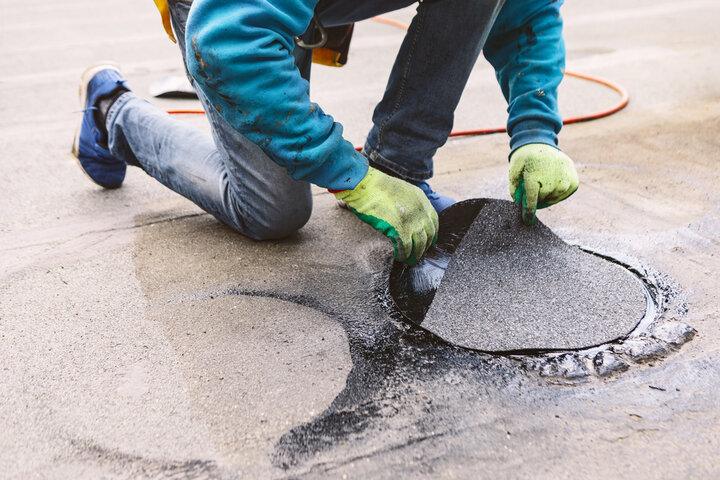
Flashing is one of the most important details of a roofing system because it protects areas where water could otherwise enter.
These areas may include:
- Chimneys
- Skylights
- Roof valleys
- Plumbing vents
- Walls
- Dormers
- Roof-to-wall intersections
Improperly installed flashing can create pathways for water intrusion even when the shingles themselves are installed correctly.
Certified installation procedures help ensure flashing details follow the applicable manufacturer’s specifications.
Proper Fastening Is Critical
Roofing nails may seem like a small detail, but their placement is extremely important.
Nails must be installed in the correct locations and at the appropriate depth. Incorrect fastening can reduce a shingle’s resistance to wind and may contribute to premature failure.
Going With Gibbs specifically notes that nail placement and fastener depth are checked against manufacturer tolerances during certified projects.
This type of attention to detail can be particularly valuable in Georgia, where strong storms and high winds can put roofing systems under significant stress.
When Should You Consider Certified Roofing?
Manufacturer-certified installation can be beneficial in several situations.
New Roof Installation
If you are building a new home, choosing certified installation can help establish the roofing system correctly from the beginning.
Full Roof Replacement
When an existing roof has reached the end of its useful life, certification can provide an additional layer of quality control during replacement.
Storm Damage
Severe weather can damage shingles, flashing, and underlying roofing components. A certified contractor can evaluate the damage and determine whether a manufacturer-compliant replacement is appropriate.
Premium Roofing Materials
If you are investing in higher-end roofing products, proper installation becomes especially important. The performance of the materials depends heavily on how they are installed.
Manufacturer-Certified Roofing vs. Standard Installation
A standard roofing installation may follow general industry practices, but manufacturer-certified work follows the specific requirements of the product manufacturer.
This distinction matters because roofing products can have different installation instructions.
For example, manufacturers may specify requirements related to:
- Nail placement
- Underlayment
- Flashing
- Ventilation
- Starter strips
- Shingle alignment
- Ridge caps
- Sealing
- Product compatibility
Following these instructions can help ensure the roof performs according to the product’s intended design.
How the Certified Roofing Process Works
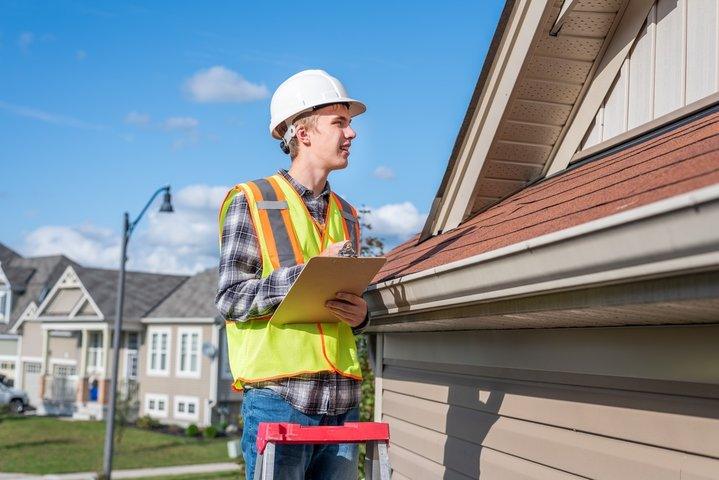
A professional installation should begin with an assessment rather than immediately removing old roofing materials.
Step 1: Roof Inspection
The contractor evaluates the current roof, attic ventilation, flashing, decking, and other components.
Step 2: Product Selection
Materials are selected based on the homeowner’s goals, property requirements, and manufacturer specifications.
Step 3: Project Planning
The contractor prepares a detailed scope of work and determines the appropriate installation procedures.
Step 4: Roof Installation
The roofing system is installed according to manufacturer requirements.
Step 5: Quality Review
The completed work is inspected to ensure components and installation details meet project specifications.
Step 6: Documentation
Appropriate project and warranty documentation can then be provided to the homeowner.
Going With Gibbs describes a process that includes consultation, a detailed proposal, installation, and a final walkthrough to review the completed project.
Benefits of Choosing a Certified Contractor
Better Installation Consistency
Manufacturer-specific procedures provide a clear framework for installation.
Warranty Support
Following applicable installation requirements can help protect warranty eligibility.
Long-Term Performance
Properly installed roofing components are better positioned to perform as intended.
Professional Quality Control
Certified contractors follow established procedures rather than relying only on general installation habits.
Greater Peace of Mind
Knowing that your roof has been installed according to the manufacturer’s specifications can provide additional confidence in your investment.
What Homeowners Should Ask Before Hiring a Roofer
Before choosing a contractor, ask several important questions.
Are you manufacturer-certified?
Ask which manufacturers have certified the contractor and whether the certification applies to the products being considered.
Which roofing products will you use?
Request the exact product names and specifications.
What does the warranty cover?
Understand the difference between product and workmanship warranties.
Will you inspect ventilation?
Proper ventilation should be considered as part of the roofing system.
Will I receive documentation?
Ask for product information, warranty details, and project documentation after installation.
How will the roof be inspected after installation?
A final walkthrough can help identify incomplete or incorrect work before the project is closed.
How to Protect Your New Roof
Even a certified roofing system requires maintenance.
Homeowners should schedule periodic inspections, especially after severe weather. Keep gutters clean, remove leaves and debris from roof valleys, and monitor flashing around roof penetrations.
Trim branches that hang over the roof to reduce the risk of damage from falling limbs.
If you notice missing shingles, loose flashing, leaks, or water stains on ceilings, arrange for a professional inspection as soon as possible.
Early attention can help prevent a small problem from developing into a larger repair.
Why Georgia Homeowners Need Reliable Roofing
Georgia’s climate can be demanding on residential roofing systems.
Summer heat exposes shingles to prolonged UV radiation and high temperatures. Humidity and rainfall introduce moisture concerns, while thunderstorms can bring strong winds and hail.
A properly designed and installed roofing system can help protect a home against these conditions.
Certified installation provides an additional layer of assurance that the materials are being installed according to the manufacturer’s requirements.
Investing in a new roof is a major decision, so the installation should be treated just as seriously as the materials you choose.
Manufacturer-certified roofing combines quality roofing products with installation practices designed around the manufacturer’s specifications. From underlayment and flashing to ventilation, fastening, and final inspection, every detail contributes to the performance of the complete system.
If you are planning a roof replacement, new construction project, or storm-damage repair, ask about certified roofing options before making your final decision.
Frequently Asked Questions
1. What does manufacturer-certified roofing mean?
It means a qualified contractor has met requirements established by a roofing manufacturer and follows the brand’s specific installation procedures for applicable products.
2. Does certified roofing protect my warranty?
Following manufacturer requirements can help maintain applicable warranty eligibility. However, warranty terms vary by manufacturer and product, so homeowners should review the specific warranty documentation.
3. Is manufacturer certification necessary for every roof?
It is not necessarily required for every project, but it can provide valuable quality control and warranty-related benefits, particularly when installing premium roofing products.
4. What roofing manufacturers offer certified programs?
Certification programs vary, but major manufacturers such as GAF, CertainTeed, and TAMKO have contractor programs. Going With Gibbs states that it partners with these manufacturers for certified installations.
5. How long does a certified roof installation take?
The timeline depends on roof size, complexity, weather, material availability, decking condition, and whether the project involves a complete replacement. A professional inspection can provide a more accurate schedule.
Conclusion
A new roof represents a significant investment in your home, and choosing quality materials is only part of the equation. Correct installation is essential for helping those materials perform as intended.
Manufacturer-certified roofing provides homeowners with an installation process based on specific product requirements, including proper fastening, underlayment, flashing, ventilation, and other system components. It can also help support applicable warranty requirements and provide greater confidence in the completed project.
For homeowners throughout Georgia who want a roofing system installed with manufacturer-specific standards and professional attention to detail, Gibbs Roofing in GA provides manufacturer-certified roofing solutions for residential projects.