10 Signs Your Roof Needs Repair and Professional Attention
Stay informed with expert tips, helpful advice, and the latest trends in the roofing industry from the Gibbs Team

10 Signs Your Roof Needs Repair and Professional Attention
Roof problems do not always begin with water pouring through the ceiling. Some of the earliest signs your roof needs repair are much easier to miss, including lifted shingles, damaged flashing, granules collecting near downspouts, or stains that appear only after heavy rain. For homeowners in Roswell and across North Metro Atlanta, Georgia storms, heat, humidity, and heavy rainfall can make early detection especially important.
Understanding the warning signs can help you decide whether you need a small repair, a more detailed evaluation, or a broader roofing solution. Gibbs Roofing & Siding offers targeted roof repair services for homeowners who want us to evaluate the source of a roofing problem rather than simply cover the visible symptom.
How Do You Know When a Roof Needs Professional Attention?
The clearest signs your roof needs repair include damaged or missing shingles, unexplained ceiling stains, deteriorated flashing, repeated leaks, excessive granule loss, sagging areas, storm damage, and problems around roof penetrations. The severity and location of the damage determine whether a targeted repair or a larger project makes sense.
If you are wondering how to know if you need a roof repair, start by looking for changes rather than waiting for obvious failure. A roof that looked intact last season but now shows lifted shingles, new stains, or recurring moisture deserves closer attention.
Here are 10 of the most common signs of roof damage homeowners should watch for.
1. Shingles Are Missing, Cracked, Curled, or Lifted
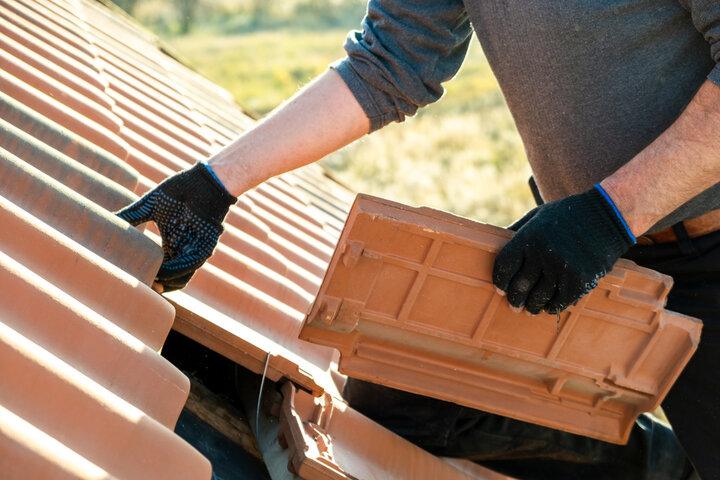
Shingles form the visible weather-shedding layer of many residential roofs. When shingles disappear after a storm, crack from wear, curl at the edges, or stop lying flat, water can gain easier access to the layers beneath them.
A few damaged shingles do not automatically mean the entire roof must be replaced. The location of the damage, roof age, condition of surrounding materials, underlayment, and cause of the problem all matter.
Visible shingle changes are among the easiest signs you need roof repair to notice from the ground. Avoid climbing onto a steep or wet roof to investigate them yourself.
2. You Notice Water Stains on Ceilings or Walls
Brown or yellow ceiling discoloration, bubbling paint, peeling drywall, or unexplained dampness can indicate water entering somewhere above the visible stain.
These are common signs of a roof leak on ceiling surfaces, but the stain does not necessarily identify the exact entry point. Water can enter through flashing, a valley, a penetration, or another vulnerable area before traveling along decking or framing.
That is why proper roof leak detection and repair focuses on finding the entry point rather than repairing only the location where water becomes visible.
When interior staining accompanies other signs your roof needs repair, delaying evaluation can allow moisture to affect insulation, decking, finishes, or other materials.
3. Granules Are Collecting in Gutters or Near Downspouts
Asphalt shingles have protective granules on their surface. Some granule shedding can occur naturally, especially with certain newer materials, but a noticeable increase may indicate surface wear or storm-related impact.
Look around gutter outlets and downspout discharge areas after rainfall. Large or recurring accumulations can be one clue that the shingle surface is changing.
Granule loss alone does not provide a complete diagnosis. A professional evaluation considers the pattern of loss, shingle condition, roof age, recent storms, and other visible defects.
Homeowners can also use the site’s spring roof inspection checklist to review other accessible warning signs without walking across the roof.
4. Flashing Around Roof Openings Is Damaged or Deteriorated
Flashing helps manage water around areas where the roof changes direction or meets another surface, such as chimneys, walls, valleys, and some roof penetrations.
Loose, corroded, displaced, or poorly sealed flashing can create an entry path even when the surrounding shingles still look acceptable.
This is an important example of why signs your roof needs repair are not limited to shingle damage. A localized flashing problem may cause interior moisture while much of the roof surface remains in usable condition.
A proper roof leak diagnosis should examine these transition points along with the surrounding roofing system.
5. The Same Leak Keeps Coming Back
A leak that repeatedly returns after being patched can indicate that the original work addressed the symptom rather than the true water-entry point.
Accurate roof leak identification may require tracing the moisture path through flashing, underlayment, decking, valleys, or roof penetrations. Water often moves before it reaches the interior, which is why the visible stain and exterior defect may not line up vertically.
Homeowners researching how to detect a roof leak should pay attention to when the leak appears. Does it occur during wind-driven rain, every heavy storm, or only under certain conditions? Those details can help narrow the investigation.
Recurring leaks are strong signs your roof needs repair or at least needs a more complete assessment.
6. The Roofline Appears Uneven or Sagging
A roof surface should generally appear consistent along its planes and roofline. A noticeable dip, depression, or sagging section deserves prompt professional evaluation.
The cause cannot be determined safely from appearance alone. Moisture exposure, decking conditions, structural movement, or other factors may contribute.
This is different from minor cosmetic wear. Among the possible signs of a failing roof, visible deformation warrants more caution because the condition may involve components below the surface roofing material.
Homeowners should avoid walking across an area that appears unstable.
7. Wind or Hail Has Recently Hit Your Property
Storm damage is not always obvious from the yard. Wind can lift shingles or damage roof edges, while hail may affect roofing materials, flashing, gutters, or other exposed exterior components.
After a significant storm, look for missing materials, debris impacts, displaced roof components, new leaks, gutter damage, or sudden granule accumulation.
Gibbs’ storm damage roofing information explains how storm-related roof conditions may require documentation and closer evaluation.
Some of the most important signs of emergency roof damage include active water entry, fallen branches, exposed roof areas, visibly displaced materials, or damage that leaves the home vulnerable to additional rainfall.
If insurance may be involved, homeowners can also review the company’s insurance claim assistance information. Coverage decisions ultimately depend on the policy and insurer.
8. Roof Penetrations Show Wear or Gaps
Plumbing vents, pipe boots, chimneys, skylight transitions where present, and similar penetrations create interruptions in the roof surface that must be properly sealed and flashed.
Cracked collars, deteriorated sealants, exposed gaps, or displaced components can allow water intrusion even when nearby shingles appear normal.
Problems around penetrations are another reason signs your roof needs repair can be highly localized. Correcting the specific vulnerable area may be appropriate when the surrounding roof remains in good condition.
9. Gutters Overflow or Water Is Not Leaving the Roofline Properly
Not every moisture problem begins with failed shingles. Gutters and downspouts form part of the home’s overall water-management system.
Overflowing gutters, poor discharge, damaged fascia, or water repeatedly collecting near the roof edge can expose parts of the exterior to unwanted moisture.
Reviewing downspout installation and routing options and broader property drainage solutions can help homeowners understand why roof runoff should be managed beyond the shingle surface.
If moisture appears near walls or siding rather than directly beneath the roof, the home’s weatherproofing and moisture barrier system may also be relevant to the investigation.
10. Your Roof Has Several Problems at the Same Time
One isolated defect may be repairable. A different decision may be needed when an aging roof shows repeated leaks, widespread shingle deterioration, multiple damaged areas, flashing problems, and previous repairs that no longer hold.
Multiple conditions together are some of the stronger signs your roof needs repair, but they may also raise the question of whether continued spot repairs are still practical.
That does not mean age alone determines replacement. Existing condition, material type, damage distribution, previous maintenance, decking condition, leak history, and homeowner plans all influence the appropriate scope.
Homeowners comparing broader options can review roof replacement considerations rather than assuming every older roof requires replacement.
When Should You Repair a Roof Instead of Replacing It?
Knowing when to repair your roof usually comes down to the extent and cause of the problem.
A targeted repair may make sense when damage is localized, and the surrounding roofing system remains functional. Replacement becomes more worth evaluating when deterioration is widespread, multiple problem areas are developing, or repairs are repeatedly addressing new failures.
For homeowners asking how to tell if you need a new roof, the most useful question is not simply, “How old is it?” Instead, ask what condition the complete system is in and whether the problems are isolated or widespread.
The same principle applies to when to replace your roof. An on-site evaluation provides more useful information than applying a universal age rule.
What Are the Signs It’s Time for a Professional Roof Inspection?
The signs it’s time for a professional roof inspection include recurring leaks, storm exposure, missing or lifted shingles, deteriorated flashing, unexplained ceiling stains, visible roofline changes, and several roof problems developing at once.
Other signs it’s time for a roof inspection include buying or preparing to sell a home, discovering moisture without knowing its source, or seeing roof damage that cannot be evaluated safely from the ground.
Gibbs Roofing & Siding serves Roswell and surrounding Metro Atlanta communities and can evaluate visible roof conditions so homeowners can better understand whether the next step is monitoring, repair, or a broader project.
If you recognize several signs your roof needs repair, scheduling an inspection before the next major storm can provide a clearer picture of the roof’s condition.
Frequently Asked Questions
Can a roof leak be repaired without replacing the entire roof?
Yes, some roof leaks can be addressed with a targeted repair when the source is localized, and the surrounding system is still in serviceable condition. Flashing, penetrations, damaged shingles, and similar isolated problems may not require full replacement. The correct approach depends on the source, extent of damage, roof condition, and whether moisture has affected underlying materials.
How do I know if my roof needs replacing instead of repairing?
If you are asking how to know if my roof needs replacing, look at the overall pattern rather than one defect. Widespread deterioration, multiple recurring leaks, repeated repairs, extensive storm damage, or problems across several roof areas can justify comparing replacement with continued repairs. An inspection should determine the extent of the problem before that decision is made.
Does a ceiling stain always mean the roof is leaking?
No. Ceiling discoloration can have several possible moisture sources, so it should not automatically be blamed on the roof. However, new stains that develop after rainfall are common roof leak signs and should be investigated. The visible stain may be some distance from the actual water-entry point.
Should I inspect my roof myself?
Most homeowners can perform a basic visual review from the ground and inspect accessible interior areas. Avoid walking on steep, wet, damaged, or unfamiliar roofing surfaces. Missing shingles, exterior debris, gutter discharge, ceiling staining, and other visible conditions can often be observed without climbing onto the roof.
How quickly should storm-related roof damage be checked?
Active leakage, exposed roofing materials, fallen trees or branches, and visibly displaced roof sections should receive prompt attention. Less obvious storm exposure may still justify inspection if you notice new leaks, missing shingles, granule accumulation, or damage to nearby exterior components after the event.
Final Takeaway
Recognizing signs your roof needs repair early does not mean assuming the worst. The goal is to identify changes, understand whether the problem is isolated or widespread, and determine the source before minor moisture or material damage progresses.
For Roswell and North Metro Atlanta homeowners who notice leaks, shingle damage, storm effects, or several warning signs at once, a professional assessment can help clarify the next appropriate step.