Roofing Insurance Claims in Roswell, GA: How to Get Storm Damage Covered After Heavy Georgia Weather
Stay informed with expert tips, helpful advice, and the latest trends in the roofing industry from the Gibbs Team
Roofing Insurance Claims in Roswell, GA: How to Get Storm Damage Covered After Heavy Georgia Weather
Severe weather events, including heavy rain, hailstorms, windstorms, or strong winds, can significantly damage your roof. In such situations, roofing insurance claims in Roswell, GA, become really handy. However, getting a claim approved is easier said than done. You need to properly understand your policy, document the damage, and follow the correct steps to file a claim that gets approved. Whether it’s missing shingles, roof leaks, or significant hail damage, knowing how insurance claims work is crucial. Let's explore what you need to know.
Does Homeowners Insurance Cover Storm-Related Roof Damage?
Homeowners insurance typically covers roof damage resulting from hailstorms, strong winds, and falling tree branches. However, the coverage depends on the policy, the cause of damage, and applicable exclusions.
Types of Storm Damage Covered by Insurance
Homeowners insurance covers storm-related roof damage, including:
Hail Damage
Hailstones can damage shingles and the protective layer of granules and leave dents on metal components. Depending on the severity, hail damage may need extensive repairs or a complete replacement.
Wind Damage
Strong winds can lift, loosen, or tear away shingles, exposing the underlying roof structure to moisture.
Falling Trees and Debris
Storms can cause tree branches or other debris to fall on your roof, damaging shingles, flashing, or decking.
Rain-Related Damage
If a storm creates openings in the roof and rain enters your home, the policy may cover the damage.
How Deductibles, Exclusions, and Policy Limits Affect Coverage
Even if insurance covers storm-related roof damage, certain policy conditions determine how much you can receive.
Deductibles
In Roswell, you might find flat-dollar deductibles and percentage deductibles. A flat-dollar deductible is a fixed amount, like $500 to $2,500, while a percentage deductible is calculated as a percentage of your home's total insured dwelling limit.
Policy Exclusions
Your insurance policy may exclude damage caused by neglect, poor maintenance, gradual deterioration, or other specified circumstances. For instance, an aging roof with leaks may not qualify after a heavy rain worsens the problem.
Policy Limits
The insurance policy might have specific coverage limits to determine the maximum amount you can receive for repairs or replacement. Some policies also calculate payouts differently depending on ACV (actual cash value) or RCV (replacement cost value).
Steps to File Roofing Insurance Claims in Roswell, GA
Here are six steps to follow when filing roofing insurance claims in Roswell, GA, after a storm damages your roof.
Step 1: Inspect Your Roof for Visible Storm Damage
Inspect the entire roof, attic, and ceilings and look for missing, cracked, or lifted shingles, damaged flashing, water stains, etc.
Step 2: Document the Damage With Photos and Videos
Take clear photos and videos of visible roof damage, fallen debris, damaged gutters, and interior water stains. If possible, take pictures from multiple angles and note the date of the storm. Also, keep records of any temporary repairs, emergency tarping, or expenses incurred to prevent further damage.
Step 3: Contact Your Homeowners Insurance Provider
Contact the insurance provider and tell them everything about the storm damage. File the insurance claim with required documents and ask about your deductible, applicable coverage limits, exclusions, and claim submission deadlines.
Step 4: Schedule an Inspection With a Roof Insurance Adjuster
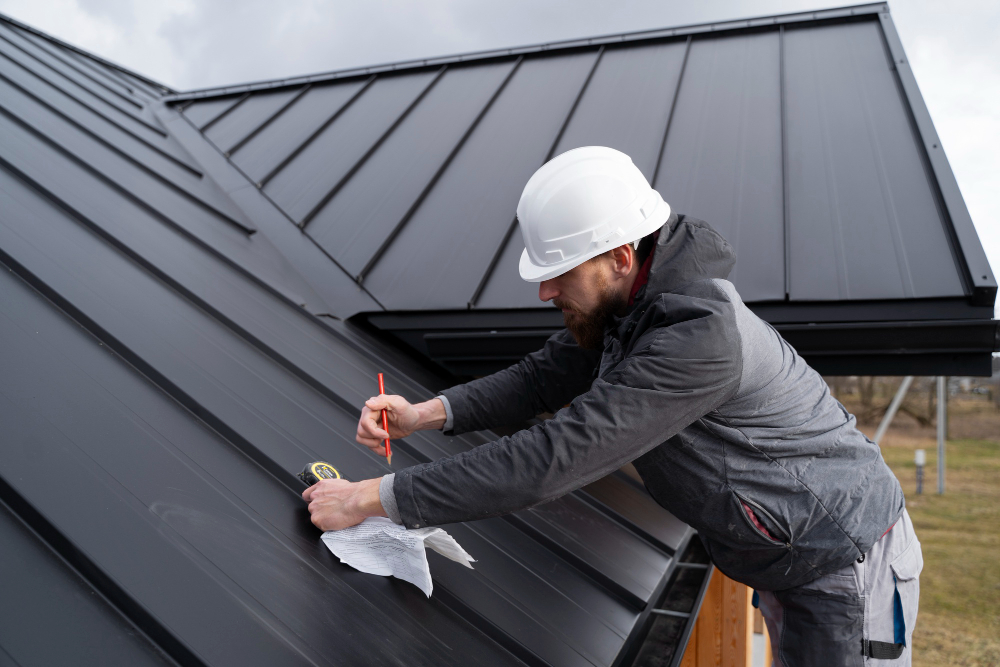
The insurance company will assign an adjuster to evaluate the reported damage. The adjuster will examine the storm-affected shingles, flashing, gutters, and other roofing components. You can also hire a roofing contractor to inspect your roof and stay present during the adjuster’s visit.
Step 5: Review the Insurance Adjuster's Assessment
Go through the adjuster’s report and understand which roof areas are covered. Compare the adjuster’s findings with your roofing contractor’s inspection report. If you detect missing damage, overlooked areas, or discrepancies in the repair scope, discuss them with the adjuster. You can also submit additional photos and documents.
Step 6: Understand Your Claim Approval and Repair Estimate
Depending on the inspection findings and policy terms, the insurance company will make its claim decision. If qualified, you will get a settlement estimate outlining the covered repair or replacement costs, applicable deductible, and any other adjustments. After understanding the approved scope of work and payment agreements, schedule necessary roofing services.
Why Hire Professional Roofing Contractors in Roswell, GA for Insurance Claims?
Whether you need extensive storm damage roof repair or a complete hail damage roof replacement, dealing with the insurance paperwork is difficult. Professional roofing contractors can ease the process by assessing damage, preparing documentation, and helping you understand the necessary repairs.
Professional storm damage inspections
Professional roofers know the specific signs to look for when inspecting storm-damaged roofs. They can identify visible and less obvious issues and recommend suitable solutions. A thorough inspection lets you understand the roof’s condition before moving forward with an insurance claim.
Detailed Photographs and Damage Reports
Contractors can take clear photos of damaged shingles, loose flashing, roof leaks, and other storm-related issues. They can also prepare a detailed inspection report describing the affected areas and recommended repairs. You can share these photos and reports with the insurance adjuster to support your claim.
Assistance During Roof Insurance Adjusters’ Inspection
Having a skilled roofer present when the insurance adjuster evaluates your roof can be helpful. They can point out damaged areas, share their findings, and explain the required roofing work. This allows the adjuster to receive and consider additional information during the inspection.
Accurate Repair and Replacement Estimates
Roofing contractors provide detailed estimates, including labor, materials, and work scope. They can also compare the recommended repairs with the insurance adjuster’s estimate and identify differences. If something is overlooked, you can discuss it with your insurer. Accurate estimates help homeowners understand the potential project cost and make informed decisions about it.
Our Take
A roof is the first line of defense, protecting your home against weather elements. When a major wind or hailstorm hits and damages your roof, a roofing insurance claim can help bear the costs to fix it. If you need professional support for an insurance claim or roofing services, come to Going With Gibbs. We have extensive experience in fixing roofs and handling roofing insurance claims in Roswell. Contact us to book your consultation today.
Frequently Asked Questions
What is the difference between ACV and RCV in a roof insurance claim?
ACV, or actual cash value, pays your roof’s depreciated value depending on its age and condition. RCV, or replacement cost value, covers the full cost of replacing a roof with new materials minus deductibles.
Can a roof contractor waive my insurance claim deductible?
Offering to waive, absorb, or cover a homeowner’s insurance deductible is illegal and considered insurance fraud.
What if my roof insurance claim is denied?
You can ask for a re-evaluation and provide engineering reports, photo evidence, or contractor estimates to strengthen your case.
How long does the insurance claim process take in Roswell?
Typically, a roofing claim process takes 1 to 3 weeks, though complex claims or heavy post-storm backlogs can extend this to a few weeks. Timelines can also vary depending on the insurance adjuster’s availability, weather conditions, and how quickly damage is documented.
Will my insurance rates go up if I file a storm damage claim?
Insurance companies typically cannot raise your individual rates in Georgia for weather-related “Acts of God” like hail or wind. However, insurance providers do raise rates across an entire zip code or neighborhood following a severe storm event.