Roof Leak Detection Tips for Homeowners
Stay informed with expert tips, helpful advice, and the latest trends in the roofing industry from the Gibbs Team
Roof Leak Detection Tips for Homeowners
A roof leak rarely starts as a dramatic drip from the ceiling. In most Metro Atlanta homes, leaks begin subtly, with small signs that are easy to overlook until significant damage has already occurred. Understanding how to identify early warning signs can save homeowners in Roswell, Alpharetta, Marietta, Woodstock, Canton, and surrounding communities thousands of dollars in repairs.
At Gibbs Roofing & Siding, we regularly help homeowners throughout the Metro Atlanta area detect, repair, and Leak Detection & Repair in Roswell, GA: Complete Guide to Protect Your Home from Water Damage. Georgia’s climate presents unique challenges, from heavy rains and thunderstorms to humidity and seasonal temperature shifts. Knowing what to look for empowers you to act quickly and protect your home.
Below, you’ll find practical roof leak detection tips tailored specifically for Georgia homeowners, along with guidance on when to call a trusted local roofing professional.
Early Signs of a Roof Leak to Watch For
Roof leaks often reveal themselves indoors before homeowners ever suspect a problem on the roof. Water can travel along rafters, insulation, and drywall before finally appearing as a visible stain or drip. By the time water reaches your ceiling, the source may be several feet away.
Inside your home, the most common early indicators of a roof leak include ceiling discoloration, peeling paint, and unexplained moisture in upper-level rooms. You may also notice a musty smell in the attic or upstairs hallway. These signs are especially common after strong Georgia storms or prolonged periods of rain.
Pay Roof Leak Detection Services in Roswell GA:
- Brown or yellow ceiling stains that grow over time
- Bubbling or peeling paint near the ceiling line
- Warped drywall or sagging ceiling sections
- Damp insulation in the attic
- Mold or mildew odors in upper floors
Exterior clues can also signal trouble. Missing shingles, cracked flashing, or clogged gutters may allow water to infiltrate your roofing system. Even small gaps around vents or chimneys can become entry points during heavy rain.
In neighborhoods across North Fulton County and surrounding Metro Atlanta communities, older roofs are particularly susceptible to small leaks that worsen over time. If your roof is more than 10 to 15 years old, routine inspections become even more important.
Additional subtle signs to monitor:
- Granules collecting in gutters or downspouts
- Dark streaks on shingles
- Moss or algae growth
- Loose or lifted shingles after wind events
The sooner you address these symptoms, the less likely you are to face structural damage or costly interior repairs. Early detection is one of the most effective ways to extend the lifespan of your roof.
How Georgia Weather Impacts Your Roof
Georgia’s Roof Leak Repair Checklist for Roswell GA Homeowners performance and longevity. In the Metro Atlanta area, homes experience hot summers, high humidity, intense thunderstorms, and occasional winter freezes. Each of these conditions contributes differently to roof wear and tear.
Heavy rainfall is one of the biggest contributors to Roof Leak Prevention Tips for Roswell GA Homes and Marietta. Sudden downpours can overwhelm compromised flashing or underlayment, forcing water into vulnerable areas. Wind-driven rain is especially problematic when shingles are loose or improperly sealed.
Why Roof Flashing Is Critical for Leak Prevention stressors include:
- High winds that lift or loosen shingles
- Intense UV exposure that dries and cracks materials
- Sudden temperature swings causing expansion and contraction
- Hail impact that bruises or fractures shingles
- Prolonged humidity encouraging mold and algae growth
Summer heat in Metro Atlanta can also degrade roofing materials over time. Asphalt shingles may lose flexibility, making them more prone to cracking. UV radiation accelerates aging, particularly on south-facing slopes that receive direct sun exposure.
In winter, freeze-thaw cycles can create additional vulnerabilities. When water seeps into small cracks and freezes, it expands and widens those openings. Over time, this process can compromise flashing, shingles, and sealants.
After major storm systems move through areas like Alpharetta, Woodstock, or Canton, it’s wise to conduct a visual inspection from the ground or schedule a professional roof assessment. Even if you do not see interior damage, minor storm-related issues can develop into leaks months later.
Weather-specific inspection tips:
- Check for shingle displacement after high winds
- Inspect attic spaces after heavy rainfall
- Look for dented vents or flashing following hail
- Monitor ceilings for new stains after storms
Understanding how Georgia Roof Flashing Failures: Top Causes of Leaks in Georgia helps you stay proactive rather than reactive.
Inspecting Attics for Hidden Water Damage
The attic is often the first place a roof leak becomes visible. Unfortunately, many homeowners rarely enter this space, allowing small leaks to go unnoticed for extended periods.
When inspecting your attic, choose a dry day with adequate lighting. Bring a flashlight and step carefully to avoid damaging insulation or drywall. Look along the underside of the roof decking for dark stains, damp wood, or mold growth.
Key attic warning signs include:
- Wet or compressed insulation
- Rusted nails protruding through decking
- Dark streaks along rafters
- Daylight visible through roof boards
- Musty or damp odors
Water may travel along beams before dripping down, so the source of the leak may not be directly above visible damage. Trace water stains upward to locate potential entry points.
In many Metro Atlanta homes, inadequate attic ventilation also contributes to moisture buildup. Poor airflow traps humidity, which can mimic leak symptoms and lead to mold growth. A roofing professional can determine whether the issue stems from a roof breach or ventilation imbalance.
When inspecting your attic:
- Avoid stepping between joists
- Document visible damage with photos
- Check around vents and chimney penetrations
- Look for insulation clumping or discoloration
If you feel unsure or unsafe performing an attic inspection, contacting a local roofing contractor like Gibbs Roofing & Siding ensures the evaluation is thorough and accurate.
Checking Shingles and Flashing Safely
While it’s helpful to understand what to look for on your roof, safety should always come first. Climbing onto a roof without proper equipment and experience can be dangerous, especially on steep slopes common in many Metro Atlanta neighborhoods.
A safer approach is to inspect from the ground using binoculars. Walk around your home and look for visible irregularities. Pay special attention to roof valleys, chimneys, skylights, and vent pipes where flashing is installed.
Exterior red flags include:
- Missing, cracked, or curling shingles
- Exposed nail heads
- Bent or separated flashing
- Damaged vent boots
- Debris accumulation in valleys
Flashing is one of the most common sources of roof leaks. Even if shingles appear intact, compromised flashing can allow water to penetrate around chimneys or sidewalls. In older homes throughout Roswell and nearby communities, flashing deterioration is a frequent cause of recurring leaks.
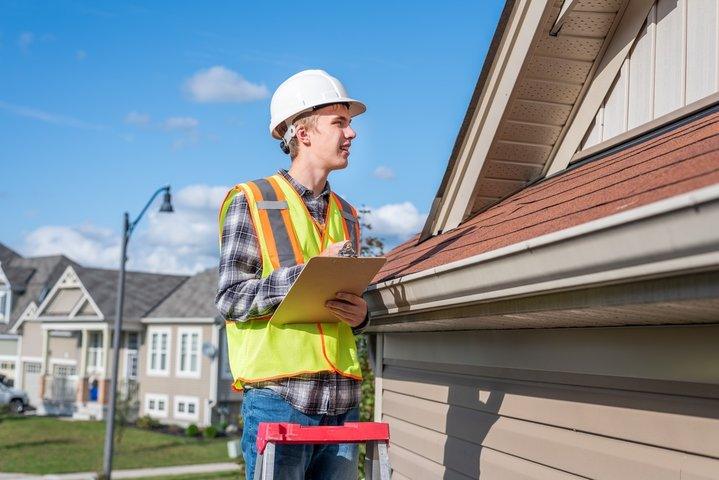
If you choose to use a ladder for a closer look, ensure it is stable and placed on level ground. Avoid walking on the roof unless you have proper safety equipment and experience.
Safe inspection practices:
- Inspect after storms but wait for dry conditions
- Keep three points of contact on ladders
- Never inspect alone
- Avoid stepping on soft or damaged areas
When in doubt, scheduling a professional inspection provides peace of mind and reduces the risk of injury.
When to Call a Local Roofing Professional
Some roof issues are obvious, such as active water dripping from the ceiling. Others are less clear, requiring professional assessment to determine the extent of damage.
If you notice recurring stains, multiple missing shingles, or signs of structural sagging, it’s time to contact a qualified roofing contractor. Delaying repairs can lead to decking rot, insulation damage, and mold growth.
You should call a roofing professional if:
- Water is actively entering your home
- Storm damage is visible
- Your roof is over 15 to 20 years old
- Repairs have been attempted but leaks persist
- You plan to file an insurance claim
Gibbs Roofing & Siding, based in Roswell, Georgia, serves homeowners throughout the greater Metro Atlanta area. Their team provides detailed roof inspections, honest assessments, and clear communication about repair or replacement options.
Following severe weather events, responsive roof The Real Cost of Ignoring Small Roof Leaks solutions are available across Metro Atlanta communities. A professional inspection not only addresses immediate concerns but also identifies potential vulnerabilities before they worsen.
Working with a local contractor offers benefits such as:
- Knowledge of Georgia building codes
- Familiarity with regional weather patterns
- Established relationships with local suppliers
- Accessible follow-up support
Choosing a reputable local company ensures your roof is repaired correctly the first time.
Preventing Future Leaks with Routine Care
Preventative maintenance is one of the most cost-effective ways to protect your home. Rather than waiting for a leak to appear, regular Leak Detection & Repair in Roswell, GA: Complete Guide to Protect Your Home from Water Damage lifespan.
Homeowners in Alpharetta, Marietta, and throughout Metro Atlanta Roof Leak Detection Services in Roswell GA at least once a year, ideally in spring or fall. Seasonal checks catch minor problems before heavy rain or extreme heat intensifies them.
Routine maintenance should include:
- Cleaning gutters and downspouts
- Trimming overhanging tree branches
- Checking attic ventilation
- Replacing damaged shingles promptly
- Sealing exposed flashing as needed
Clogged gutters are a frequent contributor to roof leaks. When water backs up, it can seep beneath shingles or behind fascia boards. Keeping gutters clear is especially important during Georgia’s fall leaf season.
Professional Roof Leak Repair Checklist for Roswell GA Homeowners. A trained technician can spot early signs of deterioration that homeowners might miss. In areas like Roswell 30075 and nearby Metro Atlanta neighborhoods, preventative service often saves significant long-term repair costs.
Long-term prevention strategies include:
- Installing high-quality underlayment
- Upgrading aging flashing components
- Improving attic insulation and airflow
- Considering impact-resistant shingles
Investing in routine care not only prevents leaks but also preserves your home’s structural integrity and curb appeal.
Frequently Asked Questions
How do I know if my roof leak is serious?
A roof leak should always be taken seriously, even if it appears minor at first. Small leaks can quickly lead to mold growth, insulation damage, and structural wood rot. Gibbs Roofing & Siding serving the Metro Atlanta area recommends scheduling a professional inspection if you notice ceiling stains, recurring moisture, or storm-related damage to prevent more extensive repairs.
Does homeowners insurance cover roof leak repairs in Georgia?
Homeowners insurance in Georgia often covers roof damage caused by sudden events like storms or fallen trees, but it typically does not cover issues resulting from neglect or normal wear and tear. Gibbs Roofing & Siding serving Metro Atlanta homeowners can provide documentation and inspection reports to support insurance claims following covered storm events.
How often should I have my roof inspected in the Metro Atlanta area?
Most roofing professionals recommend a full inspection at least once per year, along with additional checks after major storms. Given Georgia’s heavy rains and summer heat, regular inspections help homeowners in Roswell, Alpharetta, and surrounding communities catch small issues before they develop into costly leaks.
Can clogged gutters cause roof leaks?
Yes, clogged gutters can contribute to roof leaks by causing water to back up under shingles or behind fascia boards. In Metro Atlanta, where seasonal debris buildup is common, regular gutter cleaning is essential. Gibbs Roofing & Roof Leak Prevention Tips for Roswell GA Homes that help protect roofing systems from water intrusion.
What should I do after a storm damages my roof?
After a severe storm, inspect your home from the ground for visible shingle damage, fallen debris, or dented flashing. Document any issues with photos and contact a local roofing contractor for a professional assessment. Gibbs Why Roof Flashing Is Critical for Leak Prevention inspections throughout the Metro Atlanta region to help homeowners evaluate necessary repairs.
Is it better to repair a leak or replace the entire roof?
The right solution depends on the age of your roof and the extent of damage. Minor, isolated leaks on newer roofs can often be repaired effectively. However, if your roof is nearing the end of its lifespan or has widespread damage, replacement may be more cost-effective in the long run. A professional inspection helps determine the best course of action.
How long does a typical roof replacement take in Georgia?
Most residential roof replacements in the Metro Atlanta area can be completed within one to three days, depending on the size of the home and weather conditions. Gibbs Roofing & Siding works efficiently while maintaining high standards of workmanship to minimize disruption for homeowners.
Do siding and exterior issues contribute to roof leaks?
Yes, damaged siding, improperly sealed joints, and failing exterior components can allow water to travel into wall systems and appear as roof leaks. A comprehensive exterior inspection ensures all parts of your home’s protective envelope are functioning properly. Gibbs Roofing & Siding provides roofing, siding, and gutter services to address these interconnected issues throughout Metro Atlanta.