How Weather Impacts Roofing Materials
Stay informed with expert tips, helpful advice, and the latest trends in the roofing industry from the Gibbs Team
How Weather Impacts Roofing Materials
Georgia’s climate is as diverse as its neighborhoods. From hot, humid summers in Roswell to heavy rains sweeping across Marietta and Alpharetta, the weather in Metro Atlanta plays a major role in how long roofing and exterior materials last. Homeowners throughout North Fulton County and surrounding communities often notice that their roofs, siding, and gutters experience wear differently depending on the season.
Gibbs Roofing & Siding, based in Roswell, Georgia, works with homeowners across the Metro Atlanta area to help them understand how weather impacts roofing materials and what can be done to extend the life of their investment. Whether you manage rental properties in Canton or own a family home in Woodstock, knowing how local weather affects your roof can help you make smarter maintenance and replacement decisions.
In this guide, we break down the key ways Georgia’s Best Roofing Materials for Roswell GA Weather systems and exterior components, along with practical insights tailored to homes in the Metro Atlanta region.
How Georgia Heat Affects Roof Shingles in Metro Atlanta
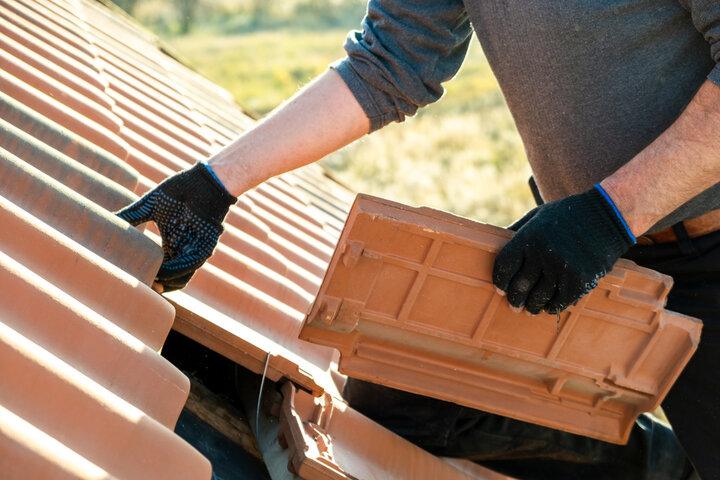
Georgia summers are known for intense sunshine and long stretches of high temperatures. In cities like Roswell, Alpharetta, and Marietta, rooftop temperatures can climb well above the ambient air temperature. Asphalt shingles, one of the most common roofing materials in Metro Atlanta, absorb significant heat throughout the day.
Over time, prolonged heat exposure can accelerate the aging process of shingles. The asphalt layer can dry out, causing shingles to become brittle. As they lose flexibility, they are more prone to cracking, curling, or granule loss. When shingles deteriorate, your roof becomes more vulnerable to leaks and structural damage.
Common heat-related shingle issues include:
- Granule loss that exposes the underlying asphalt
- Curling or cupping along shingle edges
- Premature cracking and splitting
- Fading that indicates UV degradation
High attic temperatures compound these problems. Without proper ventilation, trapped heat builds up beneath the roof deck, baking shingles from below. This double exposure shortens the overall lifespan of the roofing system and can increase cooling costs inside your home.
Proper ventilation and insulation play a key role in mitigating heat damage. A well-designed ventilation system allows hot air to escape, reducing strain on both shingles and HVAC systems. Homeowners in Metro Atlanta who invest in ridge vents, soffit vents, or attic fans often see improved roof performance during peak summer months.
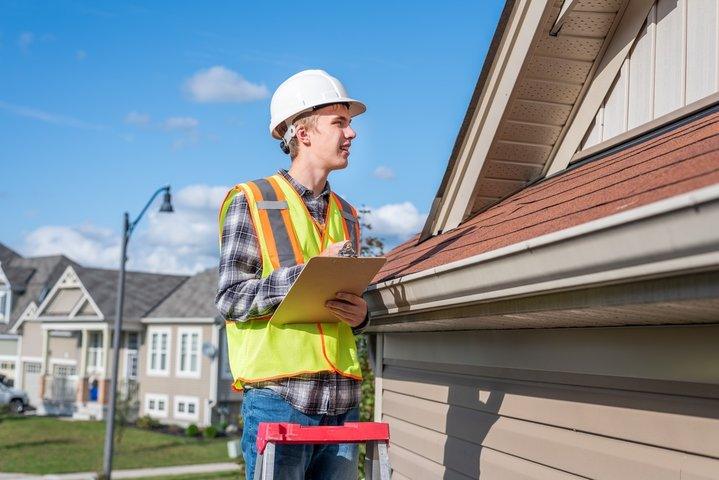
Gibbs Roofing & Siding evaluates not only the visible condition of shingles but also the underlying ventilation system. For Best Roofing Materials for Marietta GA Homes in 2026 30075 and nearby neighborhoods, proactive inspections can identify early signs of heat stress before costly repairs become necessary.
The Impact of Heavy Rains on Roofing Systems
Georgia experiences frequent thunderstorms and periods of heavy rainfall, particularly during late spring and summer. In Metro Atlanta, intense downpours can test the limits of even well-installed roofing systems. While shingles are designed to shed water, persistent or wind-driven rain can exploit weaknesses in flashing, valleys, and underlayment.
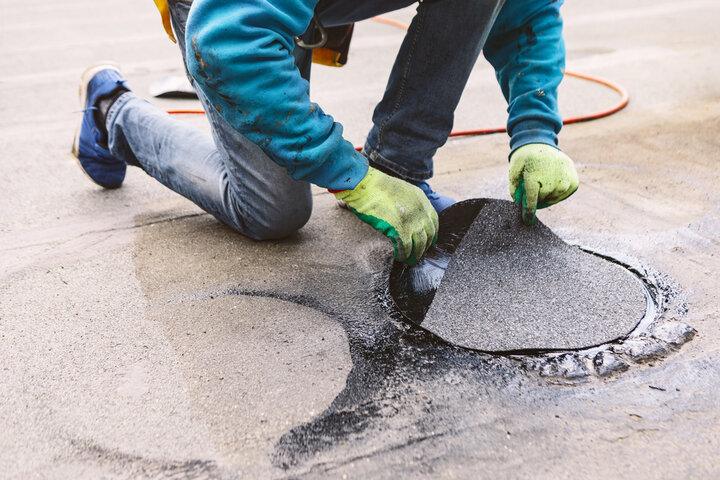
Heavy rain primarily affects the roof’s drainage capability. When gutters clog or downspouts fail to channel water away from the foundation, water can back up under shingles or pool on low-slope sections. Over time, this increases the risk of rot, mold, and interior water damage.
Potential problems caused by heavy rains include:
- Leaks around chimneys, skylights, and vents
- Wood rot in roof decking or fascia boards
- Mold growth in attics and insulation
- Foundation issues from improper drainage
Roof valleys are especially vulnerable because they handle large volumes of runoff. If valley flashing is damaged or improperly installed, water can seep beneath shingles. In older homes across Marietta or Woodstock, aging flashing materials may no longer provide adequate protection.
Gutters and downspouts are equally critical during heavy rains. When debris such as leaves and pine needles accumulates, water overflows and cascades down siding and windows. This not only stains exterior surfaces but also increases the likelihood of moisture intrusion behind siding panels.
Regular inspections after significant Roof Lifespan Explained: How Long Different Roofing Materials Really Last. Gibbs Roofing & Siding provides responsive storm assessments throughout Metro Atlanta, ensuring homeowners receive timely solutions after heavy rain events.
Storm Damage Risks for Homes in Roswell, Georgia
Severe storms are a reality in North Fulton County. Roswell and nearby communities often experience strong winds, hail, and lightning during storm season. These weather events can cause immediate and visible roof damage, as well as subtle structural issues that develop over time.
Wind uplift is one of the most common storm-related concerns. When wind speeds increase, pressure differences can lift shingles, breaking their adhesive seals. Even if shingles remain attached, loosened seals make them more susceptible to future blow-offs.
Storm-related risks include:
- Missing or torn shingles from high winds
- Hail impacts that bruise or crack shingles
- Damaged flashing and ridge caps
- Fallen tree limbs puncturing roofing materials
Hail damage is not always obvious from the ground. Small impact marks can weaken shingles and dislodge granules, reducing their lifespan. Over time, these compromised areas may develop leaks. In neighborhoods across Alpharetta and Canton, post-storm roof inspections are essential to catch these issues early.
Trees also present a significant risk during storms. Metro Atlanta’s lush canopy enhances curb appeal but increases the likelihood of branches falling onto roofs. Even minor limb impacts can damage shingles, gutters, and siding.
Gibbs Roofing & Siding assists homeowners in Roswell and surrounding areas with thorough storm damage evaluations. When needed, the team works with property owners during the insurance claims process, providing documentation and professional assessments to support repair or replacement decisions.
How Humidity Influences Siding and Gutters
Humidity is a constant factor in Georgia’s climate. Even outside of rainfall events, high moisture levels in the air can affect exterior building materials. In Metro Atlanta, prolonged humidity can influence both roofing systems and adjacent components such as siding and gutters.
Moisture-laden air encourages mold, mildew, and algae growth. On shaded sections of roofing and siding, dark streaks may form as algae feed on organic materials in shingles. While often cosmetic at first, unchecked growth can contribute to long-term deterioration.
Effects of high humidity on exterior materials include:
- Warping or swelling of wood siding
- Increased risk of mold behind siding panels
- Corrosion in metal gutters and fasteners
- Algae streaking on shingles
Proper ventilation once again plays a key role. Attics with poor airflow can trap moist air, leading to condensation on rafters and roof decking. Over time, this can weaken structural components and reduce insulation effectiveness.
Gutters also suffer in humid conditions. Standing water from clogged systems accelerates rust in metal gutters and promotes mildew growth. Vinyl siding, while resistant to rot, can still trap moisture behind panels if not installed with proper drainage channels.
For homeowners in Roswell and nearby communities such as Marietta 30062, The Most Durable Roofing Materials for Residential Homes can identify early signs of moisture-related wear. Gibbs Roofing & Siding provides siding repairs, gutter replacements, and ventilation improvements designed to combat the effects of Georgia’s persistent humidity.
Cold Snaps and Their Effect on Roof Lifespan
Although Georgia is known for heat, winter cold snaps are not uncommon in Metro Atlanta. Sudden temperature drops can stress roofing materials, especially when they follow periods of warmth. This freeze-thaw cycle can create expansion and contraction in shingles and flashing.
When materials expand during the day and contract at night, small cracks may develop. Over time, repeated cycles weaken seals and create pathways for water intrusion. Even minor gaps can allow moisture to seep beneath shingles.
Cold-weather roofing concerns include:
- Brittle shingles that crack under impact
- Ice formation along roof edges
- Condensation buildup in poorly insulated attics
- Shrinking sealants around flashing
While heavy ice dams are less common in Georgia than in northern states, localized ice buildup can still occur during extended freezes. When melting snow refreezes at the roof edge, it can trap water behind shingles.
Winter is also a time when minor issues become more apparent. Interior leaks may show up as ceiling stains during rainy winter days. Addressing these problems promptly prevents further deterioration before the next storm season arrives.
Gibbs Choosing Roofing Materials in Roswell GA before and after winter to identify vulnerabilities. For homeowners maintaining multiple homes in Woodstock or Canton, How to Choose the Best Roofing Material for Your Climate and Budget lifespan and reduce emergency repair costs.
Seasonal Maintenance Tips for Atlanta Homes
Understanding how weather impacts roofing materials is only half the equation. Proactive, seasonal Best Time of Year for a Roof Replacement in Georgia (Weather + Scheduling Tips) homes across Metro Atlanta. By aligning maintenance tasks with Georgia’s climate patterns, homeowners can significantly extend the life of their roofing and exterior systems.
Spring is ideal for assessing winter damage and preparing for storm season. Summer maintenance focuses on ventilation and heat mitigation, while fall is the perfect time to clear debris and ensure proper drainage before winter rains.
Key seasonal maintenance tasks include:
- Inspect shingles for cracks, curling, or missing pieces
- Clean and flush gutters and downspouts
- Trim overhanging tree branches
- Check attic ventilation and insulation levels
- Schedule professional roof inspections annually
Homeowners should also monitor ceilings and attic spaces for signs of leaks, such as discoloration or musty odors. Early detection often means simpler, more affordable repairs.
Gibbs Roofing & Siding provides comprehensive roofing repairs, roof replacements, siding services, and gutter How to Spot a Storm Chaser Roofer in Roswell GA After Severe Weather, Alpharetta, Marietta, Woodstock, Canton, and the greater Metro Atlanta area. With a focus on clear communication and dependable workmanship, the company helps local residents How Siding Protects Homes From Weather Damage conditions.
By investing in routine maintenance and timely repairs, homeowners can ensure their roofing materials stand up to heat, rain, humidity, storms, and cold snaps year after year.
Frequently Asked Questions
How often should I have my roof inspected in Metro Atlanta?
In Metro Atlanta, most homeowners Best Roofing Materials for Roswell GA Weather inspection at least once a year and after any major storm event. Georgia’s heat, humidity, and severe weather can accelerate wear on shingles and flashing. Gibbs Roofing & Siding serving the Metro Atlanta area provides detailed inspections to identify minor issues before they develop into costly repairs or interior water damage.
How do I know if my roof has storm damage?
Signs of storm damage may include missing shingles, dented gutters, granule loss, or visible debris on the roof. However, some damage such as hail bruising or lifted shingle seals is not obvious from the ground. Gibbs Roofing & Siding offers post-storm assessments throughout Roswell and surrounding communities to document damage and recommend appropriate repair or replacement solutions.
Will my homeowners insurance cover roof storm damage in Georgia?
Many homeowners insurance policies in Georgia cover roof damage caused by sudden events such as wind or hail, but coverage details vary. It is important to review your policy and schedule a professional inspection to assess the extent of damage. Gibbs Roofing & Siding serving the Metro Atlanta area can provide documentation and support during the insurance claims process to help streamline repairs.
How long does a typical asphalt shingle roof last in Georgia?
In Georgia’s climate, a standard asphalt shingle roof typically lasts between 15 and 25 years depending on material quality, ventilation, and maintenance. High heat, humidity, and storms in the Metro Atlanta area can shorten lifespan if issues are not addressed promptly. Regular inspections and timely repairs from a trusted local contractor can significantly extend roof performance.
What are the signs that I need new siding?
Common signs include warping, cracking, fading, mold growth, or increased energy bills due to poor insulation. In humid areas like Roswell and Alpharetta, moisture damage may also appear behind siding panels. Gibbs Roofing & Siding provides siding inspections and Best Roofing Materials for Marietta GA Homes in 2026 durability, curb appeal, and weather resistance for Metro Atlanta homes.
Why are my gutters overflowing during heavy rain?
Overflowing gutters are often caused by clogs from leaves and debris, improper slope, or undersized systems that cannot handle heavy Georgia downpours. When water spills over, it can damage siding and foundations. Gibbs Roofing & Siding offers gutter cleaning, repair, and replacement services throughout the Metro Atlanta area to ensure efficient drainage during storms.
Is it better to repair or replace my roof?
The decision depends on the age of the roof, extent of damage, and overall condition of the roofing system. Minor, localized issues can often be repaired, while widespread damage or aging materials may justify a full replacement. Gibbs Roofing & Siding provides honest assessments for homeowners across Metro Atlanta to help them make informed, cost-effective decisions.
How can I extend the life of my roof in Georgia’s climate?
Routine maintenance, proper attic ventilation, timely repairs, and regular gutter cleaning all contribute to longer roof lifespan. Addressing small issues before they escalate is especially important in the Metro Atlanta area, where weather conditions can change quickly. Working with an experienced local Roof Lifespan Explained: How Long Different Roofing Materials Really Last & Siding helps ensure your roof is prepared for every season.