How Roofing Materials Impact Durability
Stay informed with expert tips, helpful advice, and the latest trends in the roofing industry from the Gibbs Team
How Roofing Materials Impact Durability
When it comes to protecting your home in Metro Atlanta, few decisions matter more than the roofing material you choose. Your roof is your home’s first line of defense against heat, humidity, storms, and seasonal changes that are common throughout Roswell, Alpharetta, Marietta, Woodstock, Canton, and surrounding Georgia communities. The durability of your roof is directly tied to the materials used, how they are installed, and how they are maintained over time.
At Gibbs Roofing & Siding, based in Roswell, Georgia, we work with homeowners across the greater Metro Atlanta area to help them understand how roofing materials impact long-term performance. Whether you are Best Roofing Materials for Marietta GA Homes in 2026, building a new home, or addressing storm damage, understanding material durability is key to protecting your investment.
Below, we break down how roofing materials influence lifespan, weather resistance, maintenance needs, and overall value for Atlanta-area homes.
Why Roofing Material Choice Matters Most
Choosing the right roofing material is not just about appearance. It directly affects how well your home withstands time, weather, and wear. In Georgia’s varied climate, durability should always be a top consideration.
The roofing material you select determines how your home handles:
- Prolonged sun exposure and UV radiation
- Heavy rainfall and occasional hailstorms
- High humidity and moisture buildup
- Wind uplift during strong thunderstorms
Each roofing type responds differently to these environmental factors. Some materials degrade faster under intense sun, while others are more vulnerable to moisture intrusion or wind damage. Understanding these differences can help you make a smarter long-term investment.
In addition to environmental performance, material choice impacts structural stress. Heavier materials like tile require reinforced framing, while lighter systems such as asphalt shingles are more adaptable to standard residential construction. The wrong choice for your structure can reduce performance or increase installation costs unnecessarily.
Another major factor is lifespan. Roofing materials vary significantly in how long they last under typical Georgia conditions:
- Standard asphalt shingles: 15–25 years
- Architectural shingles: 25–30+ years
- Metal roofing: 40–70 years
- Clay or concrete tile: 50+ years
While upfront costs differ, long-term durability often makes higher-end materials more cost-effective over time. At Gibbs Roofing & Siding, we guide Metro Atlanta homeowners through these comparisons to ensure the selected material aligns with both budget and durability expectations.
How Georgia Weather Tests Your Roof Over Time
Metro Atlanta’s climate places unique demands on residential roofing systems. Unlike regions with a single dominant weather pattern, North Georgia experiences a mix of intense summer heat, humidity, heavy rains, and occasional winter freezes.
Heat is one of the most consistent stressors. During peak summer months, roof surface temperatures can soar well above the ambient air temperature. Prolonged UV exposure causes some materials, especially lower-grade asphalt shingles, to dry out, crack, and lose granules.
Key heat-related durability concerns include:
- Thermal expansion and contraction cycles
- Accelerated aging from UV rays
- Premature granule loss on shingles
- Increased attic heat affecting underlayment
Humidity is another critical factor in Georgia. Moisture in the air can become trapped beneath roofing materials if ventilation is inadequate. Over time, this can lead to mold growth, wood rot, and compromised decking.
Storms also play a major role in roof durability. Metro Atlanta regularly experiences:
- Strong thunderstorms with wind gusts
- Heavy downpours that test flashing and gutters
- Occasional hail events
- Falling tree limbs during severe weather
Roofing materials that resist wind uplift and impact damage tend to perform better over decades. Proper fastening systems and underlayment are equally important in preventing leaks during heavy rain.
Winter conditions, while milder than in northern states, still impact roofing systems. Freeze-thaw cycles can cause minor cracks to expand. Materials that absorb moisture are particularly vulnerable when temperatures dip below freezing.
Understanding how Georgia weather challenges roofing materials helps homeowners in Roswell, Alpharetta, and nearby cities make more informed decisions about durability and long-term performance.
Comparing Shingles, Metal, and Tile for Long-Term Durability
Different roofing materials offer distinct durability advantages. Comparing asphalt shingles, metal roofing, and tile systems can clarify which option best suits your home and long-term goals.
Asphalt Shingles
Asphalt shingles remain the most common roofing material in Metro Atlanta due to affordability and versatility. Modern architectural shingles provide improved durability over traditional three-tab designs.
Advantages include:
- Cost-effective installation
- Wide range of colors and styles
- Moderate wind resistance with proper installation
- Relatively straightforward repairs
However, shingles are more susceptible to granule loss and UV degradation over time. While they perform well in Georgia’s climate, they typically do not last as long as metal or tile systems.
For many homeowners, architectural shingles offer a strong balance between upfront cost and dependable 25–30 year durability when professionally installed.
Metal Roofing
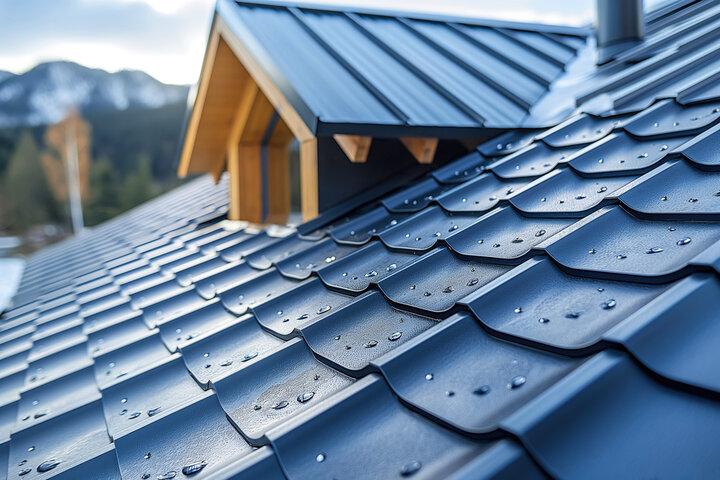
Metal roofing has gained popularity in communities like Marietta and Woodstock due to its impressive lifespan and energy efficiency. Properly installed metal systems can last 40–70 years.
Durability benefits include:
- High resistance to wind uplift
- Excellent shedding of rainwater
- Non-combustible material
- Resistance to rot and insect damage
Metal roofing expands and contracts with temperature changes, so correct installation techniques are critical. When installed properly, metal roofs hold up exceptionally well against Georgia storms and intense sun exposure.
Though the initial investment is higher, the long-term durability often results in lower lifetime costs.
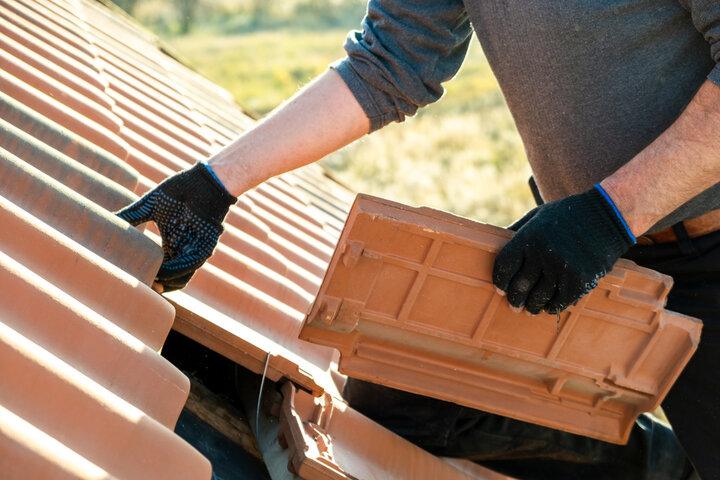
Tile Roofing
Clay and concrete tile roofs are known for exceptional longevity and distinctive aesthetics. They can withstand decades of exposure with minimal degradation.
Tile durability strengths:
- Extremely long lifespan
- Excellent resistance to UV damage
- Fire-resistant properties
- Strong performance in heat
However, tile is heavier and may require structural reinforcement. Individual tiles can crack under impact, such as falling branches during storms.
In the right application, tile roofing can provide superior durability, especially for homeowners seeking long-term solutions and architectural distinction.
The Role of Quality Installation Practices
Even the most durable roofing material can fail prematurely if not installed correctly. Installation quality is one of the most overlooked factors in roof longevity.
Proper installation affects:
- Wind resistance
- Water shedding capability
- Flashing performance
- Overall system integrity
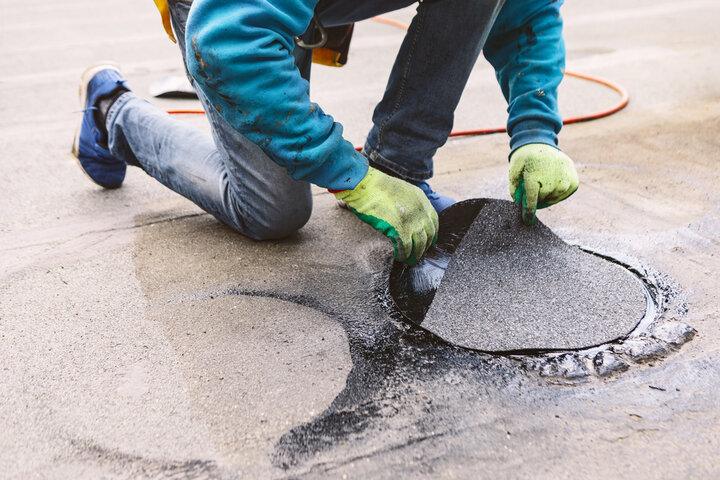
Incorrect nail placement, inadequate underlayment, or poor flashing details around chimneys and valleys can significantly reduce durability. In Metro Atlanta, where heavy rains are common, flashing errors are a leading cause of leaks.
A quality installation process includes:
- Careful Roof Lifespan Explained: How Long Different Roofing Materials Really Last decking
- Proper underlayment selection
- Manufacturer-compliant fastening patterns
- Thorough sealing around penetrations
Ventilation is also critical. Without balanced intake and exhaust ventilation, heat and moisture build up in the attic. This shortens shingle lifespan and can warp decking.
At Gibbs Roofing & Siding, serving the greater Metro Atlanta area, installation practices follow manufacturer guidelines and local building codes. Attention to detail during Best Roofing Materials for Roswell GA Weather materials perform at their highest durability potential.
Homeowners in Roswell and nearby communities benefit from working with experienced professionals who understand how Georgia’s climate influences installation requirements.
Maintenance Needs by Roofing Material Type
Durability does not mean maintenance-free. Every roofing material requires some level of care to maximize lifespan.
Routine maintenance helps:
- Identify minor issues before they become major repairs
- Preserve manufacturer warranties
- Prevent moisture intrusion
- Extend overall service life
Asphalt Shingle Maintenance
Shingle The Most Durable Roofing Materials for Residential Homes, especially after storms. Maintenance tasks include:
- Checking for missing or lifted shingles
- Clearing debris from valleys
- Inspecting flashing and sealant
- Ensuring gutters remain unclogged
Granule loss is common over time, but excessive shedding may signal aging or storm damage.
Metal Roof Maintenance
Metal roofs generally require less frequent intervention, but still need oversight.
Recommended care includes:
- Inspecting fasteners and seams
- Removing debris that can trap moisture
- Checking sealants around penetrations
- Monitoring for surface scratches
Protective coatings help prevent corrosion and extend lifespan.
Tile Roof Maintenance
Tile Choosing Roofing Materials in Roswell GA for cracked or displaced tiles. Maintenance involves:
- Replacing broken tiles promptly
- Checking underlayment condition
- Ensuring flashing integrity
- Clearing organic growth
Because tile systems rely heavily on underlayment for waterproofing, periodic How to Choose the Best Roofing Material for Your Climate and Budget.
Regular Best Roofing Materials for Marietta GA Homes in 2026 professional in Metro Atlanta ensures that durability remains strong year after year.
Choosing the Best Option for Atlanta Homes
Selecting the best Roof Lifespan Explained: How Long Different Roofing Materials Really Last for your home involves balancing durability, budget, aesthetics, and structural considerations.
Key factors to evaluate:
- Expected length of homeownership
- Architectural style of the property
- Neighborhood standards or HOA guidelines
- Long-term maintenance preferences
For many homeowners in Alpharetta and Canton, architectural shingles offer reliable durability with cost efficiency. Metal roofing appeals to those prioritizing longevity and energy efficiency. Tile suits homeowners seeking premium performance and distinctive design.
It is also important to consider storm resilience. In areas prone to heavy tree cover and seasonal storms, impact-resistant materials may provide added peace of mind.
At Gibbs Roofing & Siding, based in Roswell and serving communities across the Metro Atlanta region, we provide detailed roof assessments and honest recommendations. Our goal is to match each homeowner with a roofing material that delivers dependable durability in Georgia’s climate.
Durability is not just about how long a roof lasts. It is about how consistently it protects your home, preserves property value, and withstands the demands of Metro Atlanta weather year after year.
Frequently Asked Questions
How long does a typical roof last in Metro Atlanta?
In Metro Atlanta, asphalt shingle roofs typically last 15–30 years depending on material quality and maintenance. Metal roofs can last 40–70 years, while tile roofs often exceed 50 years. Gibbs Roofing & Siding serving the Metro Atlanta area evaluates your specific roof type, ventilation, and storm exposure to provide a more accurate lifespan estimate tailored to your home.
What roofing material is best for Georgia’s heat and humidity?
Metal and tile roofing perform exceptionally well in Georgia’s heat because they resist UV damage and shed moisture effectively. Architectural shingles are also durable when properly ventilated. Gibbs Roofing & Siding helps homeowners in Roswell, Alpharetta, and surrounding communities choose materials designed to withstand high temperatures and humidity common throughout the region.
How do I know if I need a roof replacement or just repairs?
Best Roofing Materials for Roswell GA Weather include widespread granule loss, curling shingles, recurring leaks, or visible sagging. Minor The Most Durable Roofing Materials for Residential Homes may only require repairs. Gibbs Roofing & Siding serving Metro Atlanta conducts detailed inspections to determine whether targeted repairs or a full replacement is the most cost-effective and durable solution.
Will homeowners insurance cover storm damage to my roof?
Many homeowners insurance policies cover sudden storm-related damage such as wind or hail impacts. Coverage depends on policy terms and documentation of the damage. Gibbs Roofing & Siding assists Metro Atlanta homeowners by providing thorough inspections and documentation to support the insurance claims process following severe weather events.
How often should I schedule a roof inspection in Georgia?
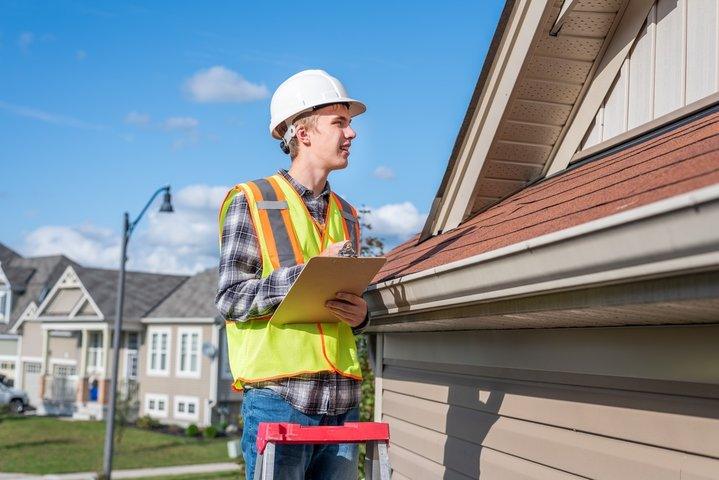
It is generally recommended to schedule a professional roof inspection at least once per year and after major storms. Georgia’s frequent thunderstorms can cause hidden damage that worsens over time. Gibbs Roofing & Siding offers comprehensive roof inspections throughout the Metro Atlanta area to help homeowners stay ahead of costly repairs.
Does siding condition affect roof durability?
Yes, siding and roofing systems work together to protect your home’s exterior envelope. Damaged siding can allow moisture intrusion that affects roof edges and decking. Gibbs Roofing & Siding provides both roofing and siding services across Metro Atlanta to ensure your entire exterior system supports long-term durability.
Are gutters important for roof longevity?
Properly functioning gutters are essential for directing rainwater away from your roof and foundation. Clogged or damaged gutters can cause water backup that leads to roof rot and fascia damage. Gibbs Roofing & Siding offers gutter installation and maintenance services throughout the Metro Atlanta region to support complete exterior protection.
What should I look for in a roofing contractor in Metro Atlanta?
Look for a contractor with local experience, strong references, clear communication, and knowledge of Georgia building codes. Proper licensing, insurance, and manufacturer-compliant installation practices are also critical. Gibbs Roofing & Siding, based in Roswell and serving the greater Metro Atlanta area, prioritizes quality workmanship and transparent service for every project.