House Wrap Weatherproofing: Complete Guide to Protecting Your Home
Stay informed with expert tips, helpful advice, and the latest trends in the roofing industry from the Gibbs Team
House Wrap Weatherproofing: Complete Guide to Protecting Your Home
When it comes to protecting your home from harsh weather conditions, house wrap weatherproofing plays a crucial role. It acts as a protective barrier that prevents moisture intrusion while allowing your home to breathe. Whether you’re building a new home or upgrading your exterior, understanding how this system works can help you improve energy efficiency and durability.
This guide covers everything you need to know about house wrap weatherproofing, including benefits, installation, costs, and maintenance.
What Is House Wrap Weatherproofing?
House wrap weatherproofing is a synthetic material installed between the exterior wall sheathing and siding. It serves as a weather-resistant barrier that blocks water and air from entering the home while allowing water vapor to escape.
This balance is essential because it prevents mold growth, structural damage, and energy loss. The material is typically lightweight, durable, and designed to withstand various environmental conditions.
Why House Wrap Is Essential for Modern Homes
Modern construction focuses heavily on energy efficiency and long-term protection. House wrap weatherproofing helps achieve both by creating a sealed envelope around the building.
Without proper protection, moisture can seep into walls, leading to rot, mildew, and insulation damage. At the same time, air leaks can increase heating and cooling costs significantly.
Installing a quality wrap ensures your home remains comfortable, efficient, and protected throughout the year.
Key Benefits of House Wrap Weatherproofing
Improved Energy Efficiency
One of the biggest advantages is reducing air leakage. By sealing gaps, it helps maintain indoor temperature and lowers energy bills.
Moisture Protection
It acts as a shield against rain and snow while allowing trapped moisture to escape, preventing mold and mildew.
Enhanced Durability
By protecting the structural components of your home, it extends the lifespan of walls and insulation.
Better Indoor Comfort
Reduced drafts and consistent temperature make your living space more comfortable.
Increased Property Value
Homes with proper weatherproofing systems are more attractive to buyers due to their efficiency and durability.
Types of House Wrap Materials
There are several types of materials used in house wrap weatherproofing, each designed for specific needs:
Spunbond Polyolefin Wrap
This is the most common type, known for its durability and breathability.
Perforated Wrap
Features small holes to allow moisture to escape but may be less effective in blocking air.
Non-Perforated Wrap
Offers superior air and water resistance, making it ideal for areas with extreme weather conditions.
Liquid-Applied Barriers
These are sprayed or rolled onto surfaces, creating a seamless protective layer.
Choosing the right material depends on your climate, building design, and budget.
Installation Process Explained
Proper installation is critical to ensure maximum performance. Here’s how professionals typically handle house wrap weatherproofing:
Surface Preparation
The wall surface is cleaned and inspected to ensure it is smooth and free of debris.
Wrapping the Structure
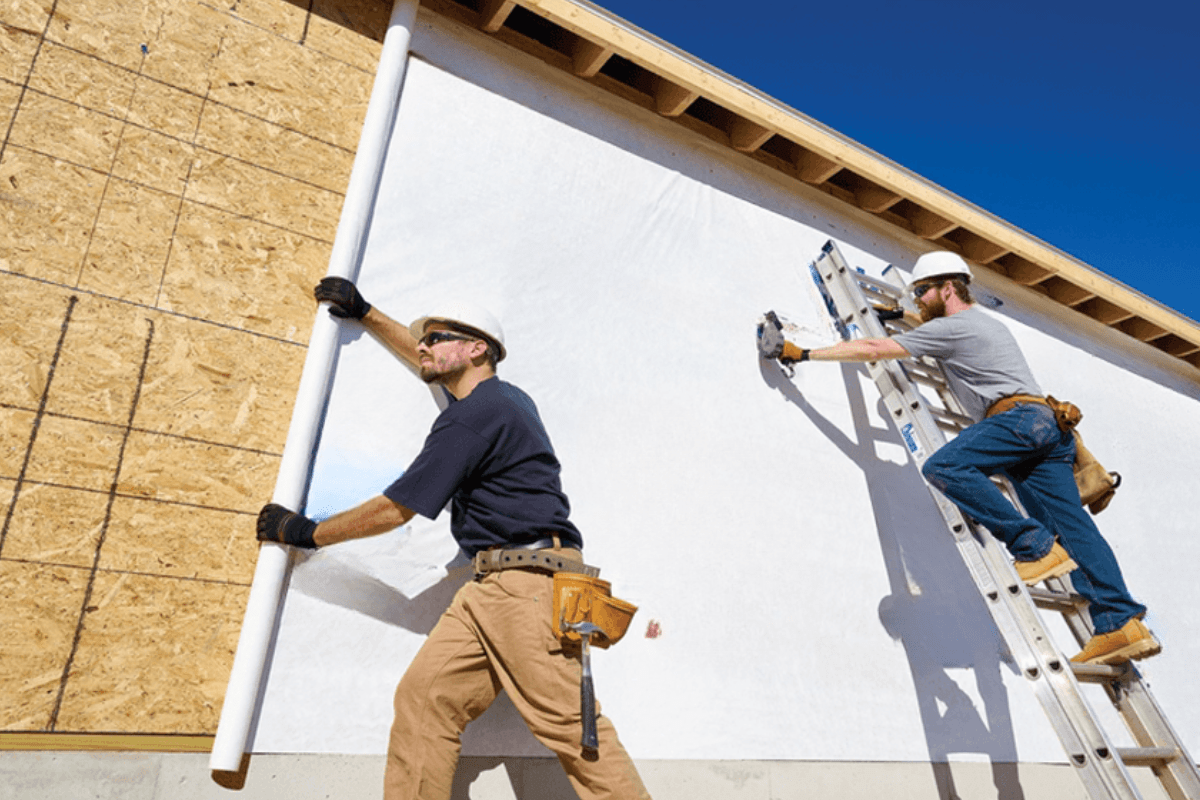
The material is rolled out and attached to the exterior walls, covering all areas evenly.
Sealing Joints and Edges
Seams, corners, and openings around windows and doors are sealed with special tape or flashing.
Integration with Other Systems
The wrap is integrated with roofing, siding, and drainage systems to create a continuous barrier.
Final Inspection
The entire installation is checked for gaps or improper sealing.
Improper installation can reduce effectiveness, so hiring experienced professionals is highly recommended.
Cost of House Wrap Weatherproofing
The cost of house wrap weatherproofing varies based on several factors:
- Size of the home
- Type of material used
- Labor costs
- Complexity of the structure
- Additional sealing or insulation requirements
While it may seem like an added expense, the long-term savings on energy bills and maintenance make it a worthwhile investment.
Common Mistakes to Avoid
Even a high-quality system can fail if not installed correctly. Here are some common mistakes:
- Poor sealing around windows and doors
- Overlapping materials incorrectly
- Using low-quality wrap
- Ignoring proper drainage design
- Skipping professional installation
Avoiding these errors ensures your home gets the full benefit of the system.
Maintenance Tips for Long-Term Performance
House wrap weatherproofing requires minimal maintenance, but regular checks can help maintain its effectiveness:
- Inspect siding and exterior for damage
- Ensure drainage systems are functioning properly
- Check for signs of moisture or mold
- Repair any damaged sections promptly
Taking these steps will help your system last for decades.
When Should You Install House Wrap?
The best time to install house wrap weatherproofing is during new construction or major renovations. However, it can also be added when replacing siding.
If your home experiences frequent moisture issues, drafts, or high energy bills, upgrading your weatherproofing system can make a significant difference.
Why Invest in House Wrap Weatherproofing?
Investing in house wrap weatherproofing is not just about protecting your home—it’s about improving comfort, reducing energy costs, and ensuring long-term durability.
With the right materials and professional installation, this system provides a strong defense against weather-related damage while enhancing overall performance.
Frequently Asked Questions (FAQs)
How long does house wrap weatherproofing last?
Most high-quality wraps can last 20 to 30 years when properly installed and maintained.
Is house wrap waterproof?
It is water-resistant, not fully waterproof. It blocks liquid water while allowing vapor to escape.
Can house wrap reduce energy bills?
Yes, it minimizes air leaks, which helps maintain indoor temperature and reduces energy consumption.
Do I need house wrap under all types of siding?
In most cases, yes. It provides an extra layer of protection regardless of siding material.
Can house wrap be installed on existing homes?
Yes, it can be added during siding replacement or major exterior renovations.
Conclusion
House wrap weatherproofing is an essential component of modern construction, offering protection, efficiency, and long-term value. From preventing moisture damage to improving energy performance, it plays a vital role in maintaining a healthy and durable home.
For reliable installation and expert service, Gibbs Roofing in GA provides trusted solutions tailored to your home’s specific needs.