Early Roof Warning Signs Homeowners Should Not Ignore
Stay informed with expert tips, helpful advice, and the latest trends in the roofing industry from the Gibbs Team
Early Roof Warning Signs Homeowners Should Not Ignore
Your roof is one of the most important components of your home. It shields your family, families, and belongings from Georgia’s heavy rain, summer heat, high humidity, and occasional severe storms. In the Metro Atlanta area, including Roswell, Alpharetta, Marietta, Woodstock, and Canton, roofing systems endure constant weather stress throughout the year. Recognizing early warning signs can prevent minor damage from turning into costly structural issues.
Gibbs Roofing & Siding, based in Roswell, Georgia, works with homeowners across North Fulton County and surrounding Metro Atlanta communities to identify and resolve roofing concerns before they escalate. Whether you manage a single-family home or multiple residential properties, understanding when your Roof Replacement Warning Signs Homeowners Ignore can protect your investment and provide peace of mind.
Below are the most common and urgent signs that your roof may need professional inspection or repair.
Updated focus: Early Roof Warning Signs Homeowners Should Not Ignore gives Roswell and North Atlanta homeowners a specific, practical angle on roof care. Use this guide to understand what to check, what to ask, and when it is time to have Gibbs Roofing & Siding take a closer look.
Missing or Damaged Shingles After Storms
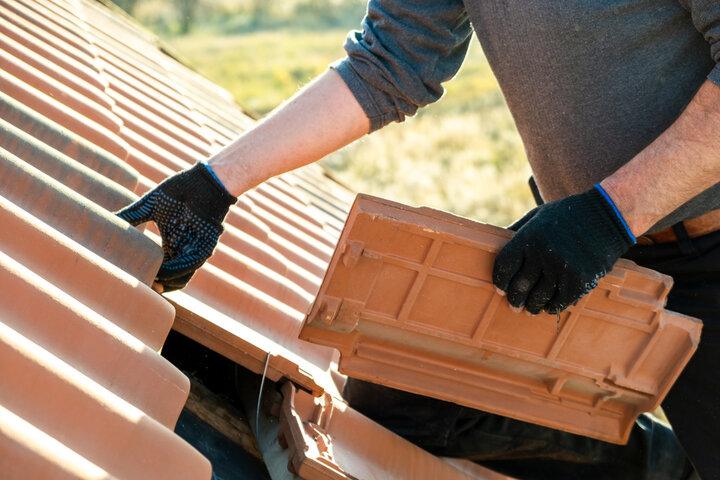
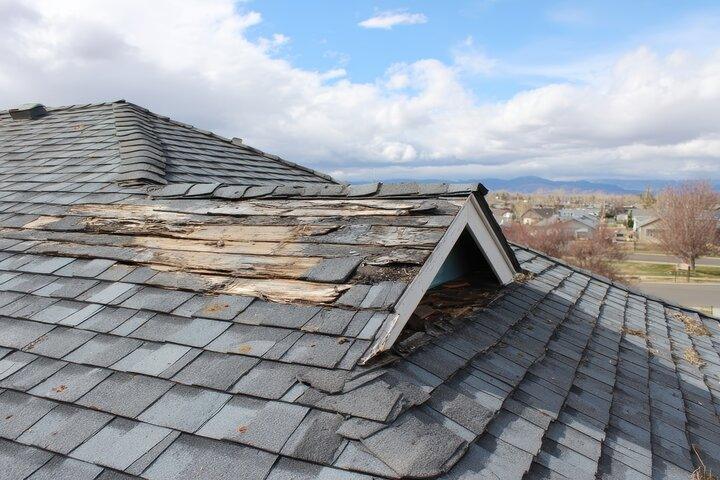
Storm activity in Metro Atlanta can be intense. From strong winds sweeping through Alpharetta to hailstorms in Marietta and Woodstock, roofing materials often take the brunt of severe weather. After a storm, missing or damaged shingles are among the clearest signs your roof needs immediate attention.
Shingles are your roof’s first layer of defense. When they are cracked, curled, lifted, or missing, your home becomes vulnerable to moisture infiltration. Even a small exposed area can allow water to penetrate the underlayment and decking, potentially leading to rot, mold growth, or interior water damage. What may appear to be a minor cosmetic issue can quickly escalate into a much larger repair.
Common storm-related shingle issues include:
- Shingles blown completely off the roof
- Edges curling or lifting after high winds
- Hail impact marks or bruising
- Exposed nail heads or torn shingle tabs
- Debris damage from fallen branches
It’s important to remember that not all damage is visible from the ground. In neighborhoods throughout Roswell and Canton, many homes have steep-pitched roofs where subtle shingle damage is easy to miss. A professional inspection ensures that hidden vulnerabilities are identified early.
If you notice shingle pieces in your yard or on your driveway after a storm, schedule an inspection as soon as possible. Delaying repairs can lead to:
- Interior leaks during the next rainfall
- Structural wood rot in decking and rafters
- Mold and mildew development in the attic
- Increased insurance claim complications
Gibbs Top 7 Signs Your Gutters Are Damaging Your Home (And What to Do About It) inspections throughout the Metro Atlanta region following severe weather events. Addressing shingle damage promptly can prevent the How Often Should You Clean Your Gutters in North Georgia and help extend the life of your roofing system.
Water Stains on Ceilings or Walls Inside Your Home
Water stains on ceilings or walls are a red flag that your roof may already be compromised. These stains often appear as yellow, brown, or dark circular spots and may grow larger after heavy rain. Even if the leak seems small, it signals that water is entering your home.
In Georgia’s humid climate, moisture problems can spread quickly. Once water breaches your roofing system, it can saturate insulation, drywall, and wooden framing. This not only weakens structural components but also creates conditions conducive to mold growth. Homeowners in areas like Woodstock and Marietta frequently discover interior water stains weeks after a storm, not realizing the damage began earlier.
Look for these common signs of roof-related water intrusion:
- Discoloration or bubbling paint on ceilings
- Peeling drywall or warped wall surfaces
- Damp or musty odors in attic spaces
- Dripping water during heavy rain
- Soft or sagging spots in ceiling drywall
Interior water stains may not always originate directly above the visible damage. Water can travel along rafters and beams before pooling in a different location. This makes professional assessment essential for accurate leak detection and repair.
If you notice water stains, take immediate action to minimize further damage:
- Document visible damage with photos
- Contain active drips with buckets or tarps
- Avoid puncturing large ceiling bulges without guidance
- Contact a roofing professional for inspection
Gibbs Roofing & Siding works with homeowners throughout Metro Atlanta to identify leak sources and implement durable repair solutions. Prompt intervention can prevent extensive drywall replacement, insulation damage, and potential mold remediation.
Sagging Rooflines or Visible Structural Dip
A sagging roofline is one of the most serious signs that your roof requires immediate attention. Unlike isolated shingle damage, sagging typically indicates a structural issue affecting the decking, rafters, or support system beneath the roofing material.
When viewed from the street, your roofline should appear straight and uniform. Any noticeable dip, curve, or uneven area warrants professional evaluation. In older homes throughout Roswell and surrounding communities, prolonged moisture exposure or aging materials can weaken structural components over time.
Potential causes of sagging rooflines include:
- Prolonged water damage to decking
- Rotting or compromised rafters
- Excessive weight from trapped moisture
- Improper initial roof installation
- Long-term structural settling
Georgia’s frequent rainstorms can accelerate deterioration if small leaks are left unaddressed. Water-soaked wood loses strength, and over time, the roof structure may begin to bow or sag under its own weight.
Warning indicators that require urgent inspection:
- Visible dips along ridgelines
- Uneven roof planes when viewed from the side
- Interior ceiling sagging or bowing
- Cracking drywall near roof supports
Structural issues rarely resolve on their own. In fact, delaying action can increase repair costs significantly. In severe cases, sagging sections may require partial roof reconstruction or full roof replacement.
Gibbs Roofing & Siding provides comprehensive roof assessments for homeowners throughout North Fulton County and nearby Metro Atlanta areas. Identifying structural problems early allows for strategic repairs that protect both the home’s safety and long-term value.
Granules Collecting in Gutters After Heavy Rain
Asphalt shingles are coated with protective granules that shield against UV rays and weather damage. Over time, some granule loss is normal. However, excessive granules collecting in gutters after heavy rain can signal advanced wear or storm-related damage.
In neighborhoods across Alpharetta and Canton, homeowners often notice gritty sediment accumulating at downspout outlets. While this may seem minor, it often indicates that shingles are losing their protective layer. Once granules are depleted, shingles become more susceptible to cracking, curling, and water infiltration.
Signs of excessive granule loss include:
- Thick granule buildup in gutters
- Bare or shiny patches on shingles
- Dark streaks on roof surfaces
- Increased shingle brittleness
- Uneven roof coloration
Granule loss often accelerates toward the end of a roof’s lifespan. If your roof is approaching 15 to 25 years old, depending on material type, noticeable granule shedding may suggest that replacement planning should begin.
Ignoring granule loss can lead to:
- Reduced UV protection
- Faster shingle deterioration
- Increased likelihood of leaks
- Compromised energy efficiency
Routine gutter inspections provide valuable clues about your roof’s condition. Gibbs Roofing & Siding offers roof and gutter evaluations throughout the Metro Atlanta region to determine whether repairs, targeted shingle replacement, or full system upgrades are the most cost-effective solution.
Sudden Spike in Energy Bills and Cooling Costs Year Round
Many homeowners do not immediately associate rising energy bills with roofing problems. However, your roof plays a significant role in regulating indoor temperature. In Georgia’s hot summers and fluctuating seasonal weather, compromised roofing can impact insulation performance and ventilation.
If you notice unexplained increases in cooling or heating costs, your roof system may be contributing. Damaged shingles, inadequate attic ventilation, or deteriorating underlayment can allow conditioned air to escape and outside air to enter.
Common roofing-related energy efficiency issues include:
- Poor attic ventilation trapping heat
- Gaps or cracks allowing air leakage
- Water-damaged insulation reducing R-value
- Aging roofing materials absorbing excess heat
- Improper flashing around penetrations
In Metro Atlanta homes, especially those in sun-exposed neighborhoods, attic temperatures can soar during summer months. Without proper ventilation and intact roofing materials, HVAC systems must work harder to maintain comfort.
Warning signs of roof-related energy inefficiency:
- Hot or stuffy attic spaces
- Uneven temperatures between floors
- HVAC system running continuously
- Higher-than-average seasonal energy bills
Addressing roofing issues can improve overall home performance and lower long-term energy costs. Gibbs Roofing & Siding evaluates ventilation systems, roofing materials, and insulation impact as part of comprehensive roof inspections across Roswell and surrounding communities.
Persistent Leaks During Georgia Downpours
Georgia is no stranger to intense rainstorms. When heavy downpours hit Metro Atlanta, even minor roofing vulnerabilities can quickly become major leak points. Persistent leaks during rain events demand immediate professional attention.
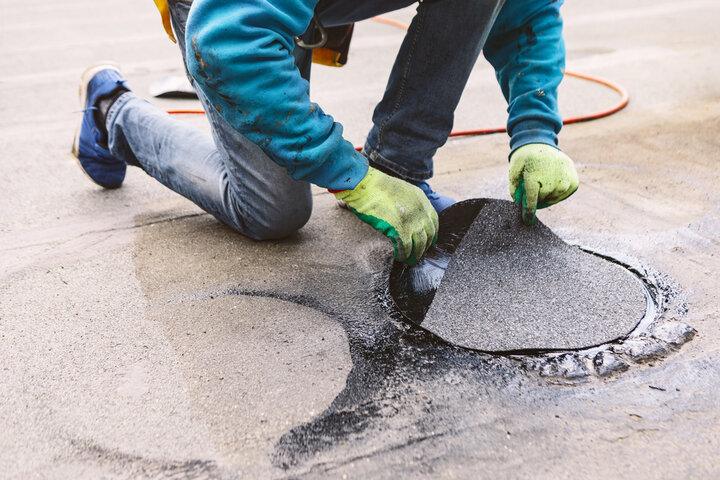
A leak that appears during every significant rainfall indicates an active breach in the roofing system. Whether caused by flashing failure, deteriorated sealant, missing shingles, or compromised valleys, recurring water intrusion should never be ignored.
Common sources of persistent roof leaks include:
- Damaged flashing around chimneys or vents
- Cracked pipe boot seals
- Worn valley shingles
- Loose skylight seals
- Improperly installed roofing materials
Temporary patchwork solutions may slow water entry but rarely resolve the underlying issue. Each subsequent rain event increases the risk of structural damage, insulation saturation, and mold growth.
Signs your leak requires urgent repair:
- Water dripping during active rainfall
- Repeated staining in the same area
- Damp attic insulation
- Visible mold or mildew near roof penetrations
Gibbs Roofing & Siding provides leak detection and repair services for residential properties throughout the Metro Atlanta area, including Roswell 30075 and nearby communities. Rapid response and thorough diagnosis help 5 Signs Your Gutters Need Replacement in Roswell GA from escalating damage.
Frequently Asked Questions
How do I know if my roof needs repair or full replacement?
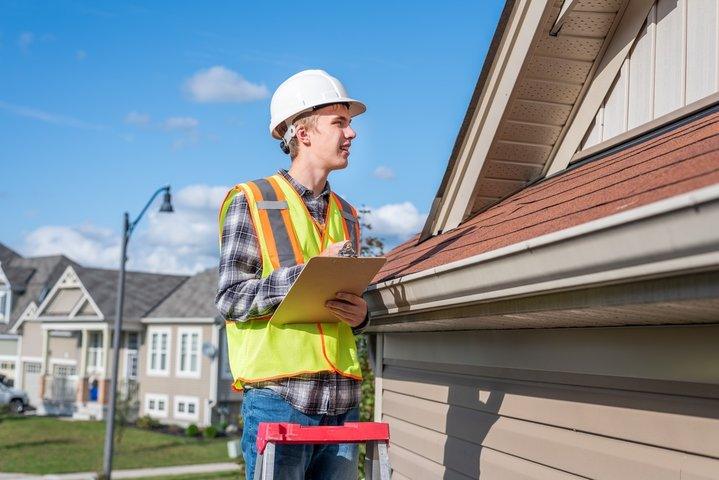
The decision between roof repair and replacement depends on the extent of damage, the roof’s age, and overall material condition. If damage is localized and your roof is relatively new, targeted repairs may be sufficient. However, widespread shingle deterioration, structural sagging, or repeated leaks may indicate that replacement is more cost-effective. Gibbs Roofing & Siding serving the Metro Atlanta area provides detailed inspections to help homeowners make informed decisions.
How quickly should I address roof damage after a storm in Metro Atlanta?
Roof damage should be inspected as soon as it is safe after a storm. Even minor issues like lifted shingles can allow water intrusion during the next rainfall. In areas like Alpharetta, Marietta, and Roswell, where storms can be frequent, prompt inspections help prevent additional structural damage and reduce long-term repair costs.
Will homeowners insurance cover storm-related roof repairs?
Many homeowners insurance policies cover roof damage caused by sudden events such as wind or hail. Coverage depends on your policy terms and the nature of the damage. Gibbs Roofing & Siding works with property owners throughout Metro Atlanta to document storm damage and support the insurance claims process with detailed assessments.
What are the most common roofing problems in Georgia?
In Georgia’s climate, Signs You Need Roof Replacement in Roswell GA include wind-damaged shingles, granule loss, flashing failures, moisture intrusion, and ventilation issues. High humidity and heavy rainfall can accelerate deterioration. Regular inspections and maintenance help homeowners in Roswell and surrounding communities address issues before they become severe.
How often should I schedule a professional roof inspection?
Most roofing professionals recommend an inspection at least once per year and after major storms. Routine inspections help identify early signs of wear, granule loss, and flashing deterioration. For homeowners in the Metro Atlanta area, proactive inspections can extend roof lifespan and reduce emergency repairs.
Can clogged gutters cause roof leaks?
Yes, clogged gutters can contribute to roof leaks by causing water to back up under shingles and along roof edges. Standing water increases the risk of wood rot and fascia damage. Gibbs Roofing & Siding offers gutter and roofing evaluations to ensure proper drainage for homes throughout North Fulton County and surrounding areas.
How long does a typical roof last in Metro Atlanta?
The lifespan of a roof depends on material type, installation quality, and maintenance. Asphalt shingle roofs commonly last 15 to 25 years in Georgia’s climate. Regular maintenance and timely repairs can extend that lifespan. Gibbs Roofing & Siding helps homeowners throughout Metro Atlanta assess roof age and plan for replacement when necessary.
What should I do if I notice an active roof leak during heavy rain?
If you notice an active leak, contain the water with buckets and move valuables away from the affected area. Document visible damage and avoid climbing onto the roof during unsafe weather conditions. Contact a professional roofing contractor like Gibbs Roofing & Siding serving the Metro Atlanta region to schedule an inspection and repair as soon as conditions allow.